Contents
A Leadership Gap in The Hundred
The announcement of the captaincy lineup for the 2026 women’s Hundred has brought a significant issue to the forefront of English cricket. With only three English players appointed to lead their respective franchises, critics are pointing to a missed opportunity to nurture the next generation of domestic leaders. This trend stands in stark contrast to the men’s competition, where English players dominate the captaincy roles, raising questions about the strategic direction of the women’s game.
The Challenge of Succession
For some time, the England women’s setup has been aware of the need to broaden its leadership base. Following Heather Knight’s eventual transition away from the captaincy, the focus shifted toward developing successors. Nat Sciver-Brunt served as a primary option, but as the team looks toward the future, the need for more voices has become critical. Charlie Dean has emerged as a bright prospect, having stepped into the role during Sciver-Brunt’s injury-enforced absences, leading the side nine times this summer, including during the T20 World Cup.
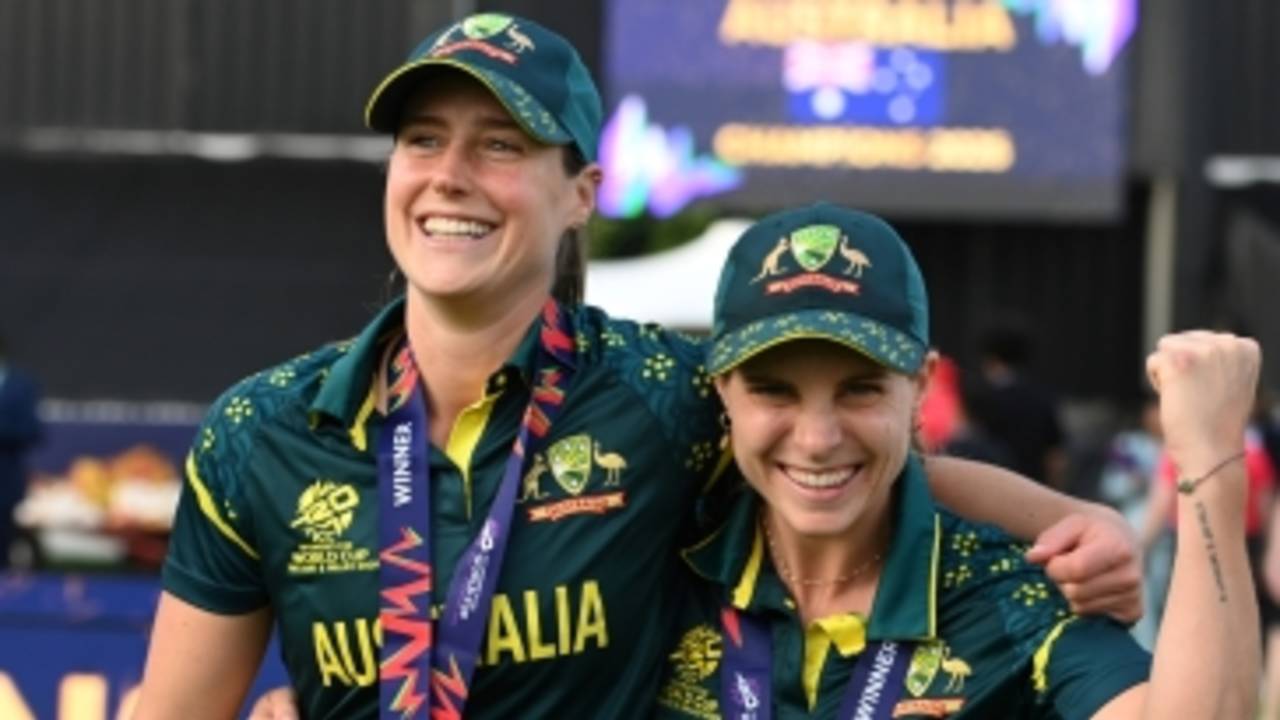
However, despite the clear potential shown by players like Dean, the franchise model in the Hundred seems to be favoring established international leaders from Australia and New Zealand. While the influx of world-class talent like Meg Lanning, Ellyse Perry, Sophie Molineux, and Ash Gardner undeniably elevates the quality of the tournament, it simultaneously crowds out opportunities for England’s own rising stars.
Comparing the Men’s and Women’s Games
The disparity between the men’s and women’s competitions is striking. In the men’s Hundred, almost every team is led by an English player, a structure that allows for the testing and refinement of potential national team captains. For instance, candidates like Jacob Bethell, Sam Curran, and Phil Salt are being positioned for future leadership roles within the England setup. This contrast suggests that while the men’s game is actively utilizing the franchise format as a testing ground for future leaders, the women’s game is currently prioritizing immediate results through overseas expertise.
Other England regulars, including Sophia Dunkley, Alice Capsey, and Freya Kemp, have been largely ignored for captaincy roles across the board. This is particularly notable given the investment in players like Dani Gibson, who secured a record-breaking £190,000 contract in the auction. While Gibson will lead Sunrisers Leeds, she remains one of the few exceptions in a landscape dominated by foreign captains.
The Logistical Hurdles
Beyond the captaincy debate, the 2026 season is shaping up to be a logistical challenge for all involved. Both MI London and Sunrisers Leeds face a chaotic lead-up to the opening fixtures on July 21. With the T20 Blast Finals Day and international commitments overlapping, many players will have almost no time to train with their new franchises before the competition begins in earnest.
The women’s competition faces similar time pressures. With only a three-day window between the women’s T20 Blast Finals Day on July 17 and the opening Hundred match, the players are being pushed to their physical and mental limits. This hectic schedule adds another layer of complexity to a season already defined by its unconventional leadership appointments.
Full List of 2026 Captains
The current roster for the 2026 Hundred captains is as follows:
- Birmingham Phoenix: Jacob Bethell, Ellyse Perry
- London Spirit: Liam Livingstone, Charlie Dean
- Manchester Super Giants: Aiden Markram (tbc), Meg Lanning
- MI London: Sam Curran, Hollie Armitage
- Southern Brave: Chris Jordan, Sophie Molineux
- Sunrisers Leeds: Zak Crawley, Dani Gibson
- Trent Rockets: Sam Billings, Ash Gardner
- Welsh Fire: Phil Salt, Sophie Devine
Ultimately, the decision to look beyond domestic talent for leadership roles may provide high-quality tactical insight in the short term, but as the sport looks toward the long-term health of the England women’s team, the lack of homegrown captains remains a point of contention for supporters and observers alike.