Delhi Capitals Ownership Shift: GMR Proposes 3-Year Cycle After IPL 2026 Struggles

Contents
Strategic Shifts Loom for Delhi Capitals Amidst On-Field Crisis
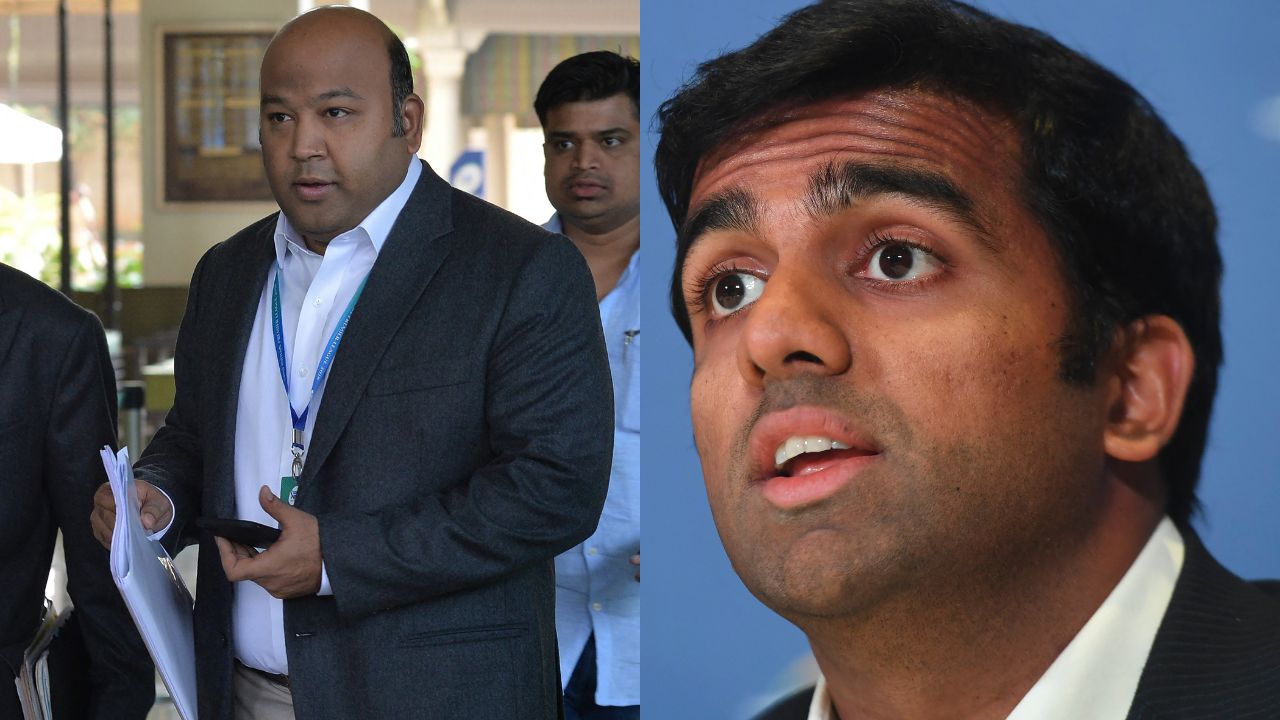
The 2026 Indian Premier League (IPL) season has been nothing short of a rollercoaster for the Delhi Capitals (DC), and unfortunately for their fans, the ride currently seems to be stuck in a downward spiral. As the team struggles to find consistency on the pitch, the corridors of power are buzzing with talk of a major administrative overhaul. Currently co-owned by the GMR Group and Parth Jindal’s JSW Group, the franchise is at the center of a proposal that could redefine how it is managed for years to come.
The GMR Proposal: Aligning with the IPL Ecosystem
Under the existing arrangement, the two ownership entities rotate operational control of the Delhi Capitals in two-year cycles. However, reports from Cricblogger indicate that the GMR Group has proposed a shift to a three-year ownership tenure. This change is not merely a matter of convenience; it is a calculated move designed to ensure better consistency in the franchise’s operations.
The logic behind the three-year cycle is deeply rooted in the IPL’s structural calendar. The league typically operates on a three-year cycle between mega auctions, which are the primary vehicles for team building. By aligning the ownership tenure with these auction cycles, the managing group would have the opportunity to oversee a squad from its inception at the auction table through its development over three full seasons. This consistency would allow decision-makers to execute long-term visions, refine player roles, and maintain continuity within the coaching and support staff.
JSW Group Weighs the Transition
The JSW Group, which holds a 50% stake in the franchise, is reportedly considering the proposal. The timing of this transition is expected to be finalized after the conclusion of the IPL 2026 season. Observers note that the urgency of these discussions may be linked to the team’s current performance; with the Capitals’ chances of a playoff berth fading fast, the need for a more robust management structure has become increasingly evident.
A Disastrous Home Run: DC Bested by CSK in Delhi
The administrative discussions come against the backdrop of a crushing defeat at the hands of the Chennai Super Kings (CSK) on May 5. Playing at their home ground, the Arun Jaitley Stadium, the Capitals were desperate for a win to steady their ship. After winning the toss, captain Axar Patel elected to bat first, but the decision quickly backfired as the top order crumbled under pressure.
The collapse was systematic and swift. Pathum Nissanka (19), KL Rahul (12), Nitish Rana (15), Karun Nair (13), and the captain himself, Axar Patel (9), were all dismissed cheaply, leaving the side reeling at 69/5. It was a display that lacked the clinical edge required at this level of the competition.
Middle-Order Resistance and the Samson Masterclass
The only silver lining for the home side was the resilience shown by Tristan Stubbs and Sameer Rizvi. Stubbs played a measured knock of 38 from 31 balls, while Rizvi provided much-needed fireworks with a blistering 40* off just 24 deliveries, including four massive sixes. Their efforts dragged the Delhi Capitals to a total of 155/7—a score that felt competitive but ultimately proved insufficient.
Chennai’s response was clinical. Despite losing Ruturaj Gaikwad early, the Super Kings never looked in trouble. Sanju Samson delivered a masterclass in T20 batting, remaining unbeaten on 87* with 7 fours and 6 sixes. He found a steady partner in Kartik Sharma (41*), and together they forged a 114-run partnership that saw CSK cruise to an 8-wicket victory. For Delhi, it was their third loss at home in their last four games, a statistic that highlights their struggle to defend their own territory.
Historical Context: GMR vs. JSW Tenures
The proposal for a three-year cycle also brings to light a historical pattern within the franchise. Interestingly, the Delhi Capitals have historically struggled when the GMR Group has held the operational reins. In contrast, during the JSW Group’s tenure, the team has frequently reached the knockout stages, including their maiden final appearance in 2020. While many might view this as a coincidence, the trend is becoming difficult for stakeholders to ignore, further fueling the debate over which group is best suited to lead the team through the next major auction cycle.
The Playoff Math: A Fading Dream
Following the loss to Chennai, the Delhi Capitals find themselves in a precarious position. With 10 games played, they have secured only 4 wins and suffered 6 losses. With just 8 points to their name, their path to the top four is narrow and filled with obstacles. Among the teams still mathematically in the hunt, only the Mumbai Indians and Lucknow Super Giants sit below them.
Furthermore, DC’s Net Run Rate (NRR) is currently one of the worst in the league. In a season where the mid-table is incredibly tight, a negative NRR could be the final nail in the coffin for their playoff aspirations, even if they manage to win their remaining fixtures. As the 2026 season nears its climax, the Delhi Capitals find themselves at a crossroads, needing a miracle on the field and a revolution in the boardroom to reclaim their status as IPL heavyweights.