Cricket Australia Presses Ahead with BBL Privatisation Despite State Resistance

Contents
The Path Toward BBL Privatisation
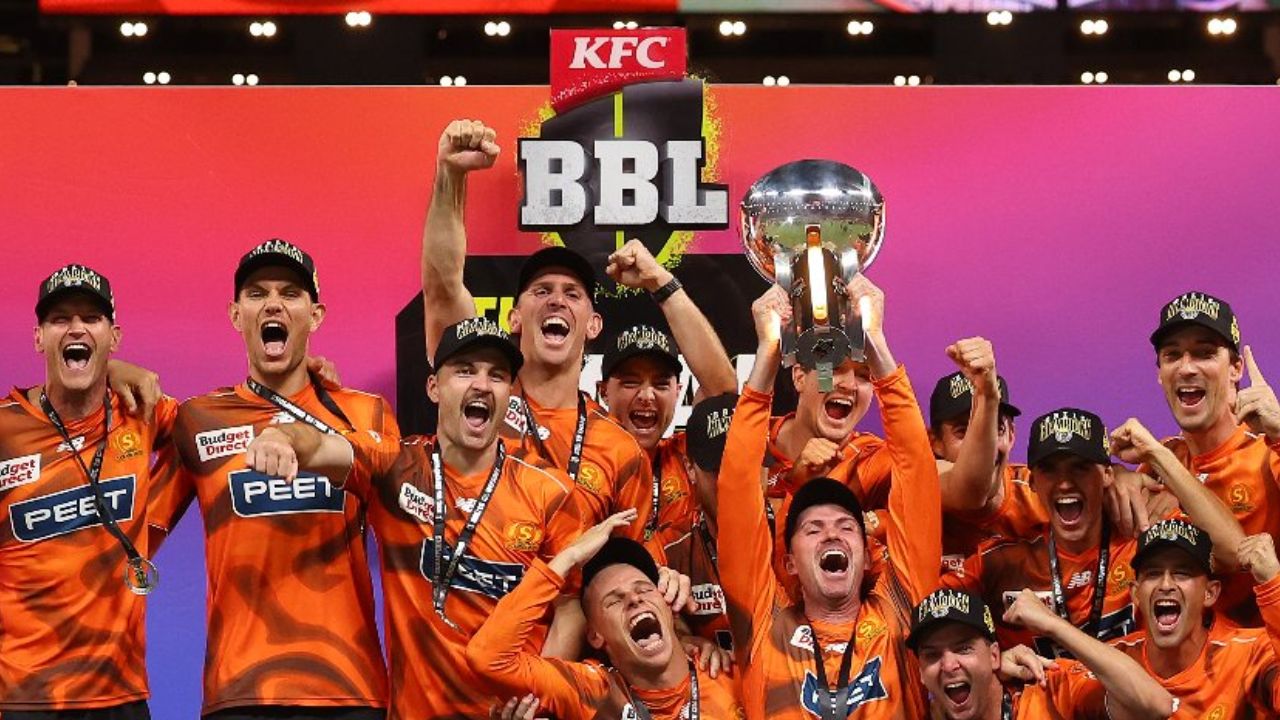
The landscape of Australian domestic cricket is shifting. Cricket Australia (CA) has officially entered the next phase of its plan to privatise Big Bash League (BBL) clubs, a move that has sparked a significant, public rift between the governing body and state associations. Despite stern rejections from powerhouses like New South Wales and Queensland, CA is undeterred, preparing to test the market value of select franchises, including the Melbourne Renegades, Perth Scorchers, and Hobart Hurricanes.
This strategic pivot comes as the initial goal of a blanket, eight-team sale has proven unattainable. As CA chief executive Todd Greenberg recently noted, privatisation appears ‘inevitable,’ even if the original, all-encompassing roadmap is no longer viable.
A Divided House: Who Stands Where?
The divide within Australian cricket is not merely a difference of opinion; it is a fundamental disagreement over the future identity of the game. While Victoria, Western Australia, and Tasmania have expressed a willingness to engage with potential investors, others are hesitant. South Australia, which manages the Adelaide Strikers, has adopted a ‘wait and see’ approach, preferring to observe the outcomes of any initial sales before committing to the process.
The rejection from New South Wales and Queensland is particularly noteworthy. Each state brings a unique set of circumstances to the table. Some states are navigating the financial pressures of major stadium redevelopments, while others remain more financially secure, allowing them the luxury of skepticism.
Understanding the Ownership Structure
To understand the current tension, one must look at the legal framework of the BBL. Importantly, the state associations do not hold absolute ownership of the BBL franchises. CA owns all eight teams, while the states have been operating under 30-year leases—leases that are now exactly halfway through their lifespan. CA’s proposal suggests that states could offload between 49% and 75% of their franchise interest to private capital, with a cash injection shared between CA and the respective state body.
The role of these new investors is a point of contention. CA has clarified that if an investor holds less than 50%, they will have no influence over the strategic direction of Australian cricket or the internal operations of the state body. Even for those holding a majority stake, their influence on BBL policy would be restricted to one vote among eight.
The Argument Against: An Alternative Vision
New South Wales has been the most vocal critic of the current privatisation model. In a formal communication to its members, Cricket NSW advocated for a self-funding model. The argument posits that there is still significant value to be extracted from existing revenue streams—such as broadcasting, ticketing, and commercial partnerships—without resorting to the sale of assets.
Furthermore, there is a principled objection to increasing ties with wagering operators, a sector that many in the NSW camp wish to keep at arm’s length from the sport’s funding mechanisms. The underlying sentiment is that the BBL is not ‘broken’ and remains a profitable entity even in the absence of marquee international players.
The Shadow of the IPL
A significant factor driving the anxiety among stakeholders is the potential entry of Indian Premier League (IPL) franchise owners. With the global expansion of cricket ownership, there is a legitimate fear regarding the influence these entities might exert over player retention, scheduling, and the overall ‘branding’ of the game. While no direct interference in international scheduling has been observed, the rebranding of teams in other leagues (such as in England) using IPL-aligned names and colors serves as a cautionary tale for those who value the independence of Australian cricket.
What Lies Ahead?
As CA moves into the market testing phase, the primary goal is to gather concrete valuations and expressions of interest. This data will be critical. It will provide the hesitant states with the cold, hard numbers required to determine if the financial incentives outweigh their strategic concerns. While some remain surprised that the market was not tested earlier, others maintain that once these valuations are public, the momentum for privatisation may become unstoppable. For now, the future of the BBL remains a high-stakes balancing act between financial necessity and the preservation of the sport’s traditional structure.