BCCI Explains Why Bengaluru Lost IPL 2026 Final Hosting Rights
Contents
A Major Shift in IPL 2026 Hosting
In a move that has sent shockwaves through the cricketing community, the Board of Control for Cricket in India (BCCI) has officially announced the relocation of the IPL 2026 final. Originally slated to be held at the iconic M. Chinnaswamy Stadium in Bengaluru, the summit clash will now take place at the Narendra Modi Stadium in Ahmedabad. This decision, described by the board as an exceptional and one-time measure, marks a significant departure from the original playoff itinerary released on May 6.
The BCCI’s Official Stance
The transition of the final venue was not a decision made lightly. In an official statement, the BCCI clarified that the M. Chinnaswamy Stadium was removed from consideration due to a failure to meet the board’s established operational and logistical guidelines.
“Owing to certain operational and logistical considerations, the TATA IPL 2026 Playoffs will be conducted across three venues this season as a special case,” the statement noted. “However, owing to certain requirements from the local association and authorities that were beyond the scope of BCCI’s established guidelines and protocols, the venue has been shifted and reassigned.”
The Political Standoff: Why Bengaluru Was Snubbed
At the heart of this controversy lies an uncomfortable power struggle between stadium authorities and local politicians. Reports indicate that local legislators demanded a specific quota of free tickets and VIP access, arguing that their status as public representatives entitled them to special treatment.
The situation escalated when Karnataka Deputy Chief Minister DK Shivakumar reportedly allotted three free IPL tickets to each MLA and MP. This move sparked widespread backlash from cricket fans and the general public, who viewed the demand as an abuse of power. The BCCI, which maintains a strict stance against political interference in the governance of the sport, reportedly warned that if the Karnataka State Cricket Association (KSCA) could not resolve the ticket dispute, the venue would face consequences. Ultimately, the deadline passed, and the resulting standoff has cost Bengaluru the opportunity to host the season’s final.
A Missed Opportunity for Bengaluru
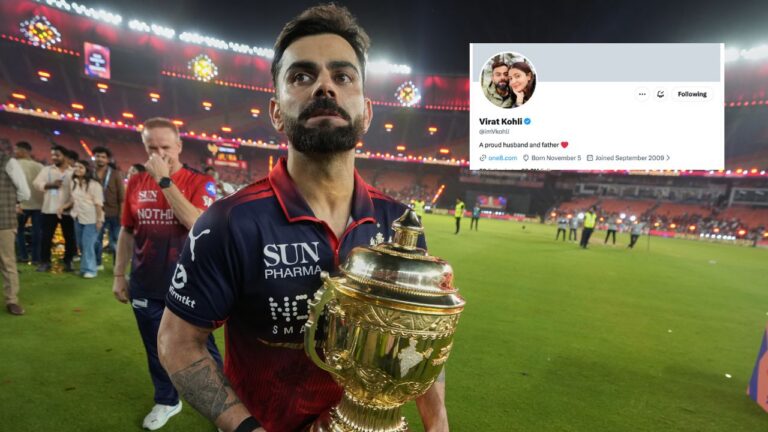
The loss of the final is particularly painful for the city of Bengaluru, which has faced a tumultuous period regarding its cricket infrastructure. Last year, the city saw immense joy as Royal Challengers Bengaluru (RCB) clinched their maiden IPL title, but the victory was marred by a tragic stampede outside the stadium that resulted in 11 deaths.
Following that tragedy, the M. Chinnaswamy Stadium faced strict scrutiny, and for a period, it was barred from hosting competitive cricket. It was only after a comprehensive review committee declared the facility safe that the stadium was permitted to host a limited number of RCB home games. Hosting the 2026 final was viewed by many as an opportunity for the city to move past the tragedy and restore its reputation as a premier cricketing hub. With the venue now reassigned, that opportunity has been lost.
The Updated IPL 2026 Playoff Landscape
While the final has moved to the Narendra Modi Stadium in Ahmedabad, the rest of the playoff schedule remains intact. The HPCA Stadium in Dharamsala is set to host Qualifier 1, while the Mullanpur Stadium in Chandigarh will host the Eliminator and Qualifier 2 matches. As the league stage reaches its climax, fans will be looking toward these three venues to witness the crowning of the 2026 champions. Whether the decision to move the final will set a long-term precedent for how the BCCI manages local political interference remains to be seen, but for now, the message from the board is clear: the sport’s protocols will take precedence over local political demands.