
Contents
A New Era of Discipline in the IPL
The Indian Premier League (IPL) is undoubtedly the crown jewel of global T20 cricket, but with its immense popularity comes the responsibility of maintaining impeccable professional standards. Following a series of recent incidents during the 2026 season, the Board of Control for Cricket in India (BCCI) has decided that enough is enough. In a move to restore the sanctity of the tournament, the governing body has issued a comprehensive 7-page directive that serves as a final warning to all franchises, players, and support staff.
The Catalyst for Change
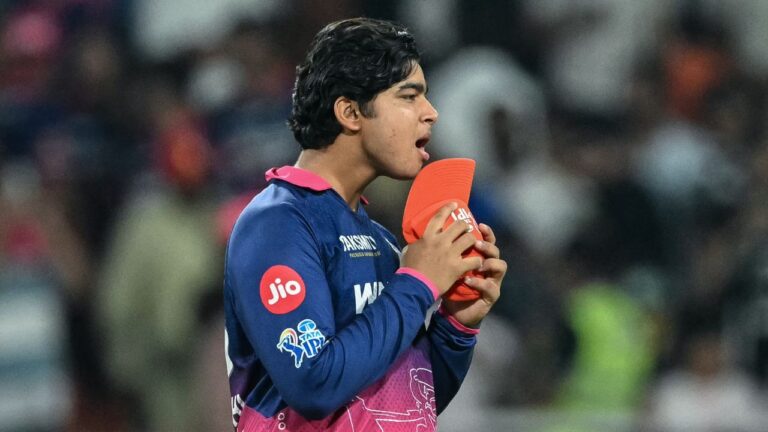
The decision to overhaul the existing code of conduct was triggered by a string of high-profile lapses involving the Rajasthan Royals. During a match against the Punjab Kings in New Chandigarh, cameras caught captain Riyan Parag vaping inside the dressing room, a blatant violation of professional decorum. Simultaneously, team staff were observed using mobile phones within the restricted confines of the dugout. These actions, combined with broader concerns regarding the unauthorized access of outsiders to player environments, prompted BCCI secretary Devajit Saikia to label these events as detrimental to the professional standards of the IPL.
As a direct consequence, the BCCI has imposed strict penalties. Team manager Romi Bhinder was fined INR 1 lakh for mobile phone violations, while Riyan Parag faced a 25 percent match fee penalty for the vaping incident. The board has made it clear: the era of lax enforcement is over.
Addressing the Honey Trap Menace
Perhaps the most significant aspect of the new directive is the BCCI’s proactive stance against potential honey-trapping. The Anti-Corruption Unit (ACU) has raised red flags regarding the presence of social media influencers, acquaintances, and unauthorized individuals in team buses and hotel rooms. The board fears that these intimate, unmonitored settings provide a perfect breeding ground for extortion, blackmail, and the leakage of sensitive team strategies.
To mitigate this risk, the board is tightening the perimeter. The sanctity of player accommodation is now a top priority, and any interaction with guests must occur in public, monitored spaces like hotel lobbies and lounges. This shift is designed to ensure that the high-profile nature of the tournament remains insulated from external manipulation.
The Formation of the IPL Operations Task Force
To ensure these new rules are not merely suggestions, the BCCI is establishing a joint IPL Operations Task Force. This body will have the authority to inspect hotel rooms and restricted zones to ensure full compliance. Key elements of the new SOPs include:
- Strict Access Control: Players and support staff are prohibited from leaving the hotel without explicit permission from security liaison officers.
- Mandatory Identification: Accreditation ID cards must be displayed at all times in hotels, venues, and practice sessions.
- Dugout Integrity: Mobile phones are strictly banned for everyone in the dugout, and team owners are barred from interacting with players during matches.
- Zero Tolerance for Vaping: The use of e-cigarettes and vapes is officially banned across all venues.
- Room Regulations: No outsider may enter a player’s hotel room without prior clearance from the Team Manager.
Accountability and Future Consequences
The BCCI has placed the burden of enforcement squarely on the shoulders of the franchises. If any member of a team is found in breach of these rules, the franchise will be held directly responsible. Every team has been mandated to hold a meeting within 48 hours of receiving the new guidelines, and every player must provide a written acknowledgment that they fully understand the repercussions of a violation.
Devajit Saikia emphasized the gravity of the situation, stating, “Franchises will have to remain on alert and proactive to deal with the risks. Any breach will have to be reported to the IPL Operations Team or the relevant authority at the earliest.”
The message from the top brass is unambiguous: the BCCI is committed to protecting the integrity and reputation of the league. With suspension and legal action now looming over potential offenders, the 19th season of the IPL promises to be as much about discipline as it is about the thrill of the game.