IPL Impact Player Rule: Will BCCI Address Concerns from Dhoni, Kohli, and Rohit?

Contents
The Impact Player Rule: A Contentious Innovation
Since its introduction in 2023, the Impact Player rule has fundamentally altered the tactical landscape of the Indian Premier League (IPL). While designed to inject excitement and strategic depth into the game, it has simultaneously triggered a wave of criticism from the very players who define the sport. With stalwarts like MS Dhoni, Virat Kohli, and Rohit Sharma questioning the necessity and long-term effects of this rule, the BCCI finds itself at a crossroads regarding the future of one of its most significant policy shifts.
Understanding the Impact Player Mechanism
At its core, the Impact Player rule allows teams to substitute a member of their playing XI with one of five designated substitutes at any juncture during a match. This flexibility has undeniably transformed team strategies. For instance, a side can bolster its batting depth after bowling first, effectively creating a specialized lineup for each innings. The rule is currently slated to remain in effect until at least 2027, serving as a distinct differentiator between the IPL and international cricket structures.
Voices of Dissent: Why the Legends Are Concerned
The resistance against the rule is not merely anecdotal; it comes from the highest echelons of Indian cricket. Rohit Sharma has been vocal about his concerns, specifically highlighting the detrimental effect the rule could have on the development of all-rounders. When the role of a fifth or sixth bowler is marginalized, the necessity for players to master both facets of the game diminishes, potentially stunting the growth of versatile cricketers.
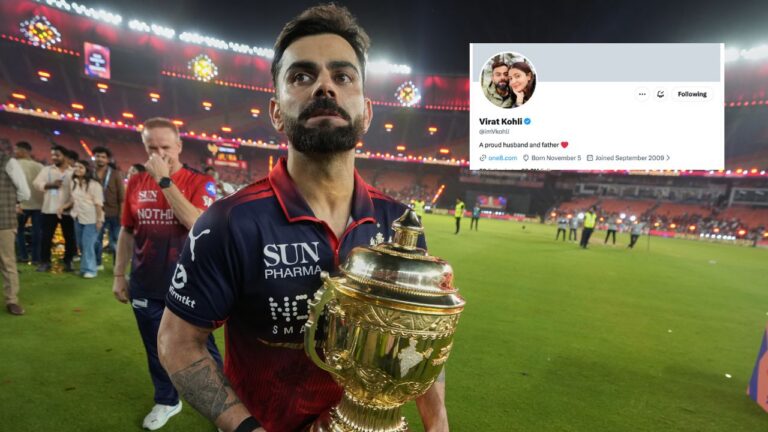
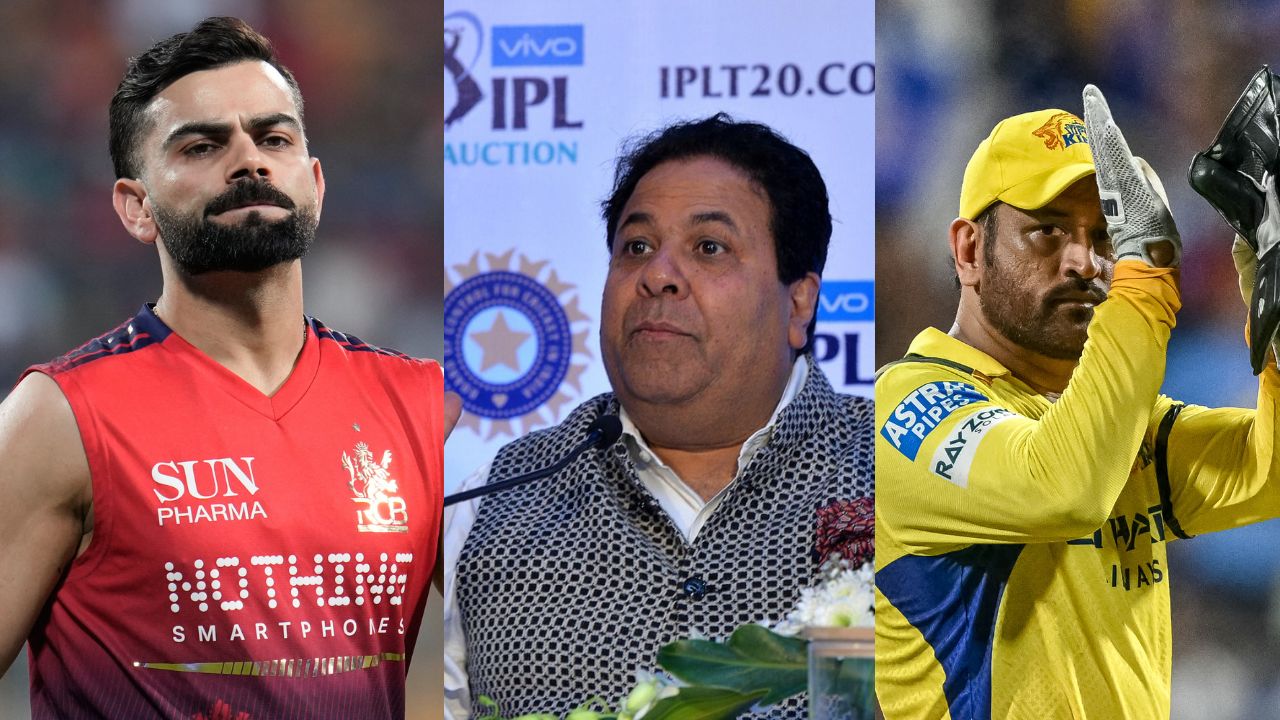
Virat Kohli’s opposition has been equally firm. Reports from his time at RCB suggested that the batting maestro held strong reservations, prioritizing the integrity of traditional cricket formats over the strategic convenience provided by the rule. Even MS Dhoni, the master tactician of the game, questioned the necessity of the innovation early on, famously remarking that the IPL was already in such a strong position that there was no need to ‘spice it up’ further.
The Paradox: Using the Rule in Practice
Despite their public skepticism, these legends have occasionally utilized the rule, highlighting the pragmatic necessity teams face in a high-stakes environment. Last year, Rohit Sharma and MS Dhoni were both utilized as Impact Players, often as a measure to manage workloads or navigate minor injury concerns. Similarly, Virat Kohli was deployed as an Impact Player during an LSG vs RCB fixture following an injury. These instances reveal a complex reality: while players may dislike the rule on principle, the competitive demand to secure a victory often necessitates its application.
The BCCI Stance: Defense and Future Reviews
Facing pressure, the BCCI has maintained a balanced approach. BCCI secretary Devajit Saikia has defended the rule, emphasizing the entertainment value it brings to the tournament. Saikia argues that the IPL continues to deliver a ‘full bouquet’ of experiences, ranging from high-scoring thrillers to competitive low-scoring contests where bowlers find success. According to the board, the rule has not hampered the competitiveness of the league.
However, the BCCI has acknowledged the validity of the feedback. The board has officially stated that the Impact Player rule will be subject to a comprehensive review following the conclusion of the 2026 IPL season. This timeline suggests that while the rule is here to stay for the immediate future, its continuation beyond the current cycle remains an open question, contingent on further dialogue between the cricket board, teams, and the athletes themselves.
Looking Ahead
As the debate intensifies, the future of the Impact Player rule hinges on balancing the board’s desire for spectacle with the players’ desire to preserve the traditional essence of cricket. Whether the BCCI will bow to the concerns of legends like Kohli, Dhoni, and Rohit remains to be seen. For now, the rule continues to be a cornerstone of IPL strategy, leaving fans and experts eager to see how the next phase of this transformation unfolds.