Bangladesh Government Dissolves BCB Board Over Election Fraud Allegations

Contents
A Watershed Moment for Bangladesh Cricket
The landscape of Bangladesh cricket has been fundamentally altered this week following a decisive intervention by the government. Following a comprehensive investigation into the October 2025 Bangladesh Cricket Board (BCB) elections, the government has officially dissolved the existing board. The decision comes after a five-member committee, spearheaded by former justice AKM Asaduzzaman, presented irrefutable evidence of procedural irregularities, coercion, and systemic bias.
The Anatomy of the Investigation
The probe into the BCB’s internal operations revealed a troubling lack of transparency. According to Mohammad Aminul Ahesan, the National Sports Council (NSC) sports director, the investigation faced significant obstacles, with the former BCB top brass largely uncooperative throughout the process. Former BCB president Aminul Islam reportedly refused a face-to-face interview, opting instead to submit a written reply—a move that did little to assuage the committee’s concerns.
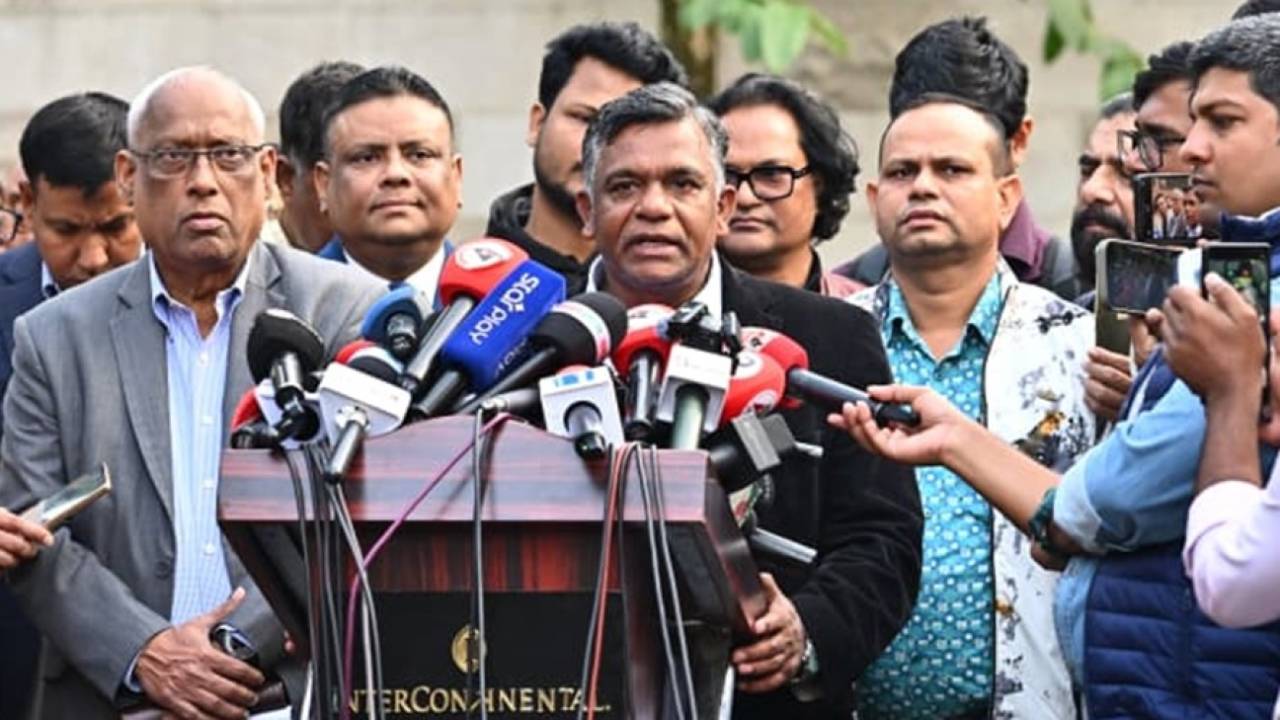
The report released on Tuesday painted a grim picture: “The election process was not free, fair or transparent. Voters were intimidated and procedural irregularities were rampant,” Ahesan stated during a press conference. The government acted swiftly, removing the Aminul-led board and installing a new 11-member ad-hoc committee. Notably, former Bangladesh captain Tamim Iqbal, who had long voiced concerns regarding the previous administration’s conduct, has been named the new BCB president.
Uncovering Ulterior Motives
A central pillar of the investigation focused on the manipulation of the councillor nomination process. The report highlights that the BCB extended submission deadlines on multiple occasions without valid justification. Originally set for September 17, the deadline was pushed to September 19 and then September 22. The committee concluded that these extensions were implemented with “ulterior motives,” specifically designed to sideline legitimate candidates in favor of individuals loyal to the then-president.
Further scrutiny revealed that Aminul Islam and former director Nazmul Abedeen Fahim secured their own councillorships through direct influence, with the committee describing these actions as a “serious abuse of power.”
The E-Voting Scandal
Perhaps the most damning finding involved the e-voting system used during the election. Witnesses interviewed by the committee described the process as “pre-planned” and lacking the basic security required for a democratic election. The investigation discovered that e-voting was conducted from a single, centralized location at the Sheraton Hotel on the eve of the election. This lack of confidentiality, coupled with the fact that many e-voters were also physically present at the polling station the next day, led the committee to conclude that the process was an exercise in systematic vote-rigging.
Constitutional Violations and Unilateral Decisions
The report further detailed how Aminul Islam unilaterally nominated ten former cricketers as councillors, a decision that lacked both board approval and constitutional authority. Article 9.3.3 of the BCB constitution was cited to prove that the president had exceeded his powers. The committee noted that this maneuver directly influenced the election outcome, as these nominated councillors were instrumental in consolidating Aminul’s support base.
Additionally, the report identified that former Bangladesh captain and then-vice president Faruque Ahmed benefited from special treatment, as his nomination was accepted despite being submitted well past the mandated deadline.
What Lies Ahead
The appointment of the new ad-hoc committee marks the beginning of a three-month transition period. For fans and stakeholders, the hope is that this reset will restore integrity to the board and allow the focus to shift back to the development of cricket in Bangladesh. While the investigation has shed light on a dark chapter in the BCB’s history, the task of cleaning up the administration and rebuilding trust within the cricketing fraternity remains a significant challenge for the new leadership.
The dissolution of the BCB board serves as a firm warning that institutional accountability remains paramount. As the new committee takes the reins, the eyes of the cricketing world remain fixed on Dhaka, waiting to see how the sport moves past this period of intense scrutiny and potential reform.