MCC Backs Controversial Obstructing the Field Dismissal of Angkrish Raghuvanshi

Contents
A Definitive Ruling on a Controversial Moment
In the high-stakes environment of the 2026 Indian Premier League, every decision carries immense weight. None more so than the recent incident involving Kolkata Knight Riders’ young batter Angkrish Raghuvanshi, who was given out for ‘obstructing the field’ during a tense clash against the Lucknow Super Giants on April 26. The dismissal, which sparked significant debate among fans and experts alike, has now been addressed by the custodians of cricket‘s laws: the Marylebone Cricket Club (MCC).
The Incident Unfolded
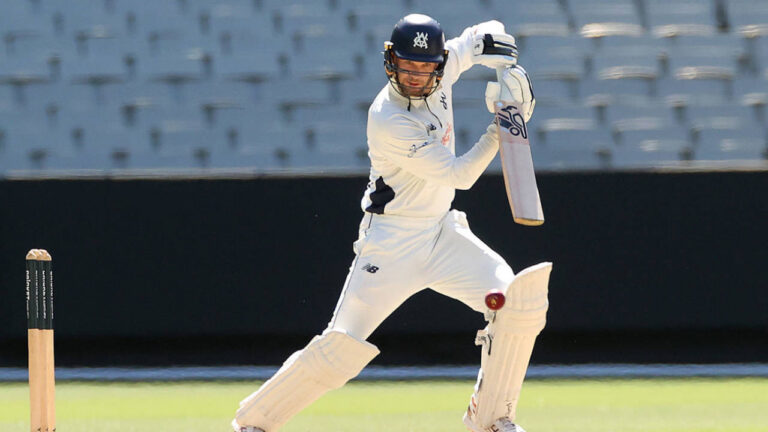
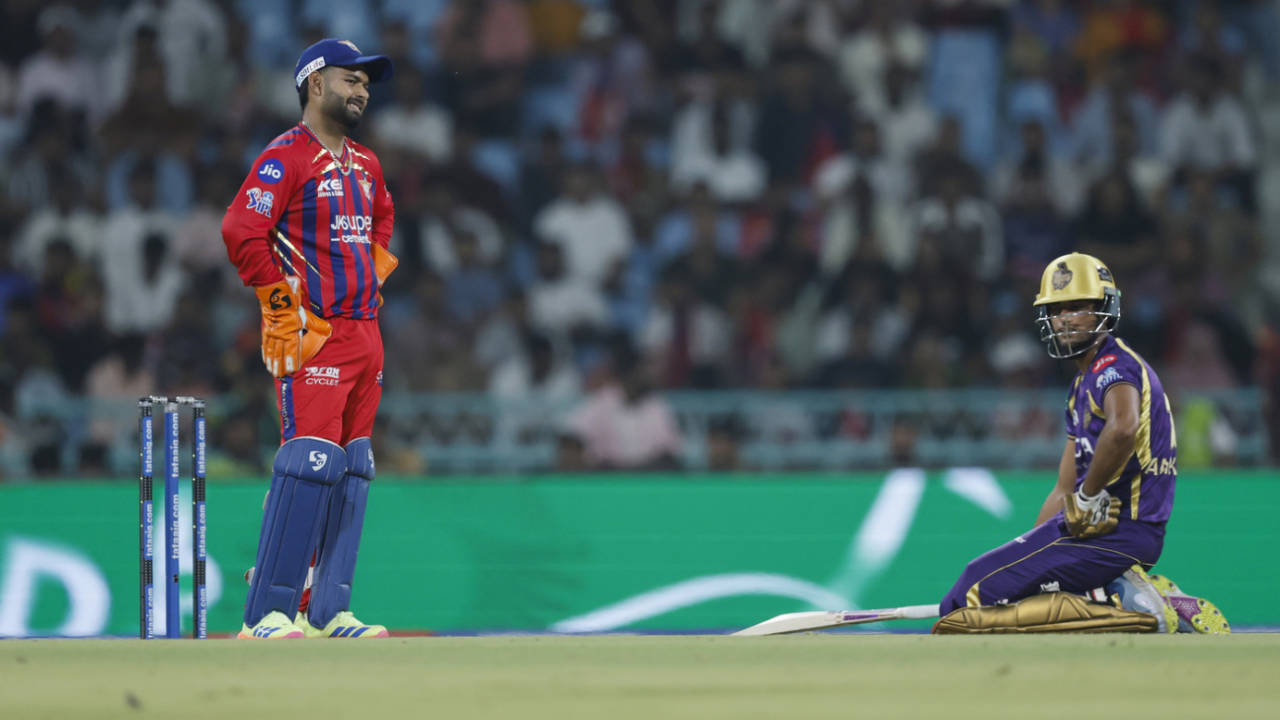
The drama took place at the conclusion of the fifth over. Raghuvanshi pushed a delivery toward mid-on and initially signaled for a sharp single. However, his partner, Cameron Green, immediately called him back. In the heat of the moment, Raghuvanshi, who had started his run from the off side, drifted toward the middle of the pitch before turning back toward the leg side. As he dove to regain his ground, the throw from the fielder struck him, leading to an immediate appeal from the LSG camp. Third umpire Rohan Pandit eventually ruled the batter out, marking only the fourth time in IPL history such a dismissal has occurred.
What the MCC Stated
To clear the air surrounding the legality of the decision, the MCC issued a formal clarification on Thursday. The governing body relied on Law 37.1.1, which states that a batter is dismissed if they “wilfully attempt to obstruct or distract the fielding side by word or action.”
The MCC referenced the authoritative Tom Smith’s Cricket Umpiring and Scoring to explain the interpretation of “wilful” actions. According to the guide, a batter who deviates from the quickest path—or specifically moves to run on the pitch in a manner that obstructs the fielding side—is considered to be performing a “wilful act.”
Why Raghuvanshi Was Deemed at Fault
The MCC’s analysis was unequivocal. The statement noted that Raghuvanshi’s path was not necessary for his survival. By crossing from the off side to the leg side, the batter placed himself directly in the line of fire. Had he maintained his position on the off side, the ball would have passed by without incident. The MCC emphasized: “It is the wilful crossing of the pitch that caused his downfall.” Furthermore, the organization clarified that the outcome—whether or not the throw would have hit the stumps—is irrelevant. “Whether a dismissal was likely is not a criterion in Obstructing the Field,” the statement affirmed.
The Fallout and Consequences
The decision was met with immediate frustration from the Kolkata Knight Riders dugout. Head coach Abhishek Nayar was observed engaging in a heated discussion with the fourth umpire, while Raghuvanshi himself was visibly distraught. Upon being given his marching orders, the youngster displayed his frustration by waving his bat, striking the boundary cushion, and discarding his helmet. His conduct led to a 20% match fee fine and a demerit point for violating the IPL Code of Conduct.
A Topsy-Turvy Finish
Despite the controversy and the emotional intensity of the dismissal, the game itself remained a spectacle. The match swung back and forth until the final delivery, eventually finding its way into a Super Over. In a testament to the unpredictable nature of T20 cricket, KKR managed to emerge victorious, shifting the focus from the controversial dismissal to the thrilling conclusion of the contest.
Understanding the Law in Modern Cricket
This incident serves as a poignant reminder of the importance of running between the wickets. In modern cricket, where margins are razor-thin, the path a batter chooses while retreating to their crease can have serious consequences. While the decision was undoubtedly harsh for Raghuvanshi, the MCC’s backing of the third umpire highlights that the law is designed to protect the fielding side from any interference, regardless of whether that interference was intended to deceive or merely the result of a panicked reaction.
As the 2026 IPL season progresses, this ruling will likely serve as a reference point for future umpire decisions, reinforcing the standard of conduct expected from professional cricketers under the laws of the game.