Litton Das Voices Frustration Over Bangladesh’s Lower-Order Batting Woes

Contents
A Troubling Trend for the Tigers
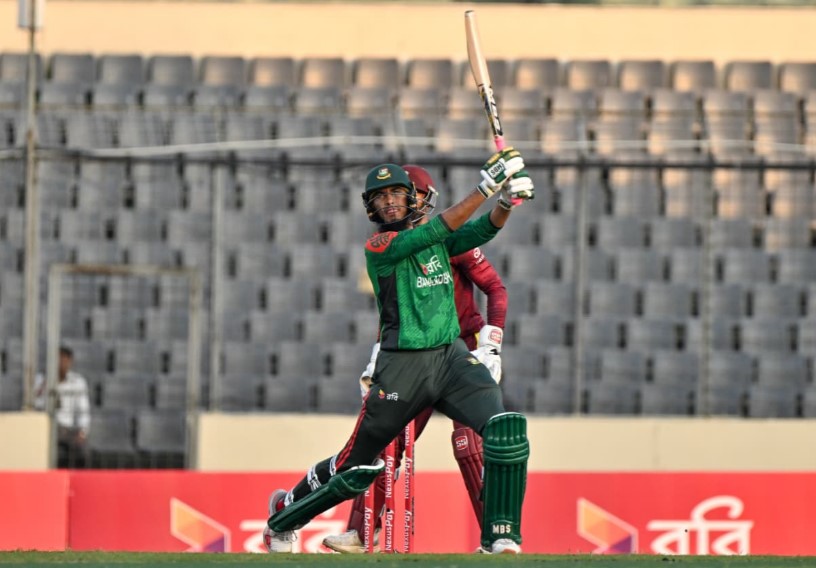
The conclusion of the recent T20I series against New Zealand has left the Bangladesh cricket camp reflecting on more than just the results. Captain Litton Das, speaking with refreshing honesty, has identified a critical bottleneck that continues to hamper the team’s progress: the inconsistency of the lower-order batting lineup. For a team aiming to compete at the highest level, the inability of the tail to contribute effectively has become a recurring nightmare.
The Core Issue: A Lack of Depth
Litton was blunt in his post-series assessment. “If we had scored more runs, the result could have been different,” he remarked, highlighting that the margin for error in T20 cricket is razor-thin. His frustration stems from a clear requirement he laid out earlier in the tour: the need for meaningful contributions from the players batting at positions seven and below. Despite having opportunities to anchor innings or provide late-game fireworks, players such as Mahedi Hasan and Rishad Hossain have struggled to leave a mark with the bat.
This failure places an enormous burden on the top-order batsmen. When the specialists at the top collapse, the lack of a reliable “Plan B” in the lower order often leads to a total batting collapse, leaving the team well short of a competitive target.
The Captain’s Dilemma: Balance vs. Depth
When pressed on why the team doesn’t simply select more batting-heavy lineups, Litton offered a pragmatic look at the realities of modern T20 cricket. “We cannot play T20 cricket without fast bowlers,” he explained. “If we want nine batters, then we would need to play with only three bowlers. If you have a solution, you can give it to us.”
The captain’s point is clear: professional cricket is a game of compromise. To maintain a functional bowling attack that can cover the full quota of 20 overs, Bangladesh must field at least five bowlers. This necessitates that those bowlers—often listed as all-rounders—must be capable of contributing effectively with the bat. Litton compared the current squad to elite international teams, noting that in modern T20 setups, spinners are expected to provide significant value as all-rounders. The expectation for Mahedi, Rishad, and Nasum Ahmed is exactly that: to evolve into genuine threats with the willow.
Building for the Future: The Road to the World Cup
Despite the current frustration, Litton remains cautiously optimistic. He acknowledged that the coaching staff, including the batting coaches, is working tirelessly with the players. “It will not change overnight; that’s impossible,” he noted. The captain highlighted the psychological gap between the practice nets and the middle of the pitch. While these players are technically capable during training, replicating that success under match pressure is a different challenge altogether. The hope is that with consistent exposure and a bit of luck, their confidence will eventually translate to better performances on the field.
The Search for the Perfect No. 7
The conversation regarding the elusive “quality No. 7″—a player who can hold their own with the bat while being a reliable bowling option—remains open. While names like Mohammad Saifuddin and Abdur Gaffar Saqlain have been floated, the team is still searching for that ideal balance. Litton’s challenge to the critics was as direct as it gets: “If you know someone who can bat at No. 7 and do both jobs, tell us. Do you have anyone in mind?”
As Bangladesh moves toward the World Cup, the focus will undoubtedly remain on refining these specific roles. Whether it is through rigorous skill development or the potential introduction of new talent, the management is clearly aware that the current model is unsustainable. For now, the team must rely on the current crop to find their feet, build their confidence, and prove that they can turn their potential into the match-winning performances the team so desperately needs.