Contents
An Unexpected Chill in the Air
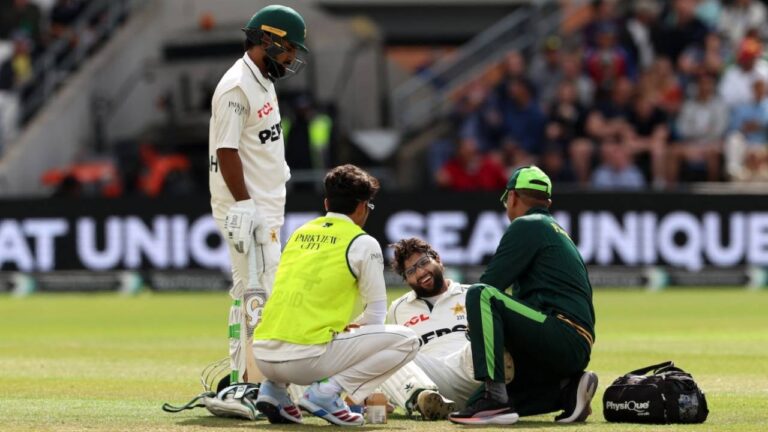
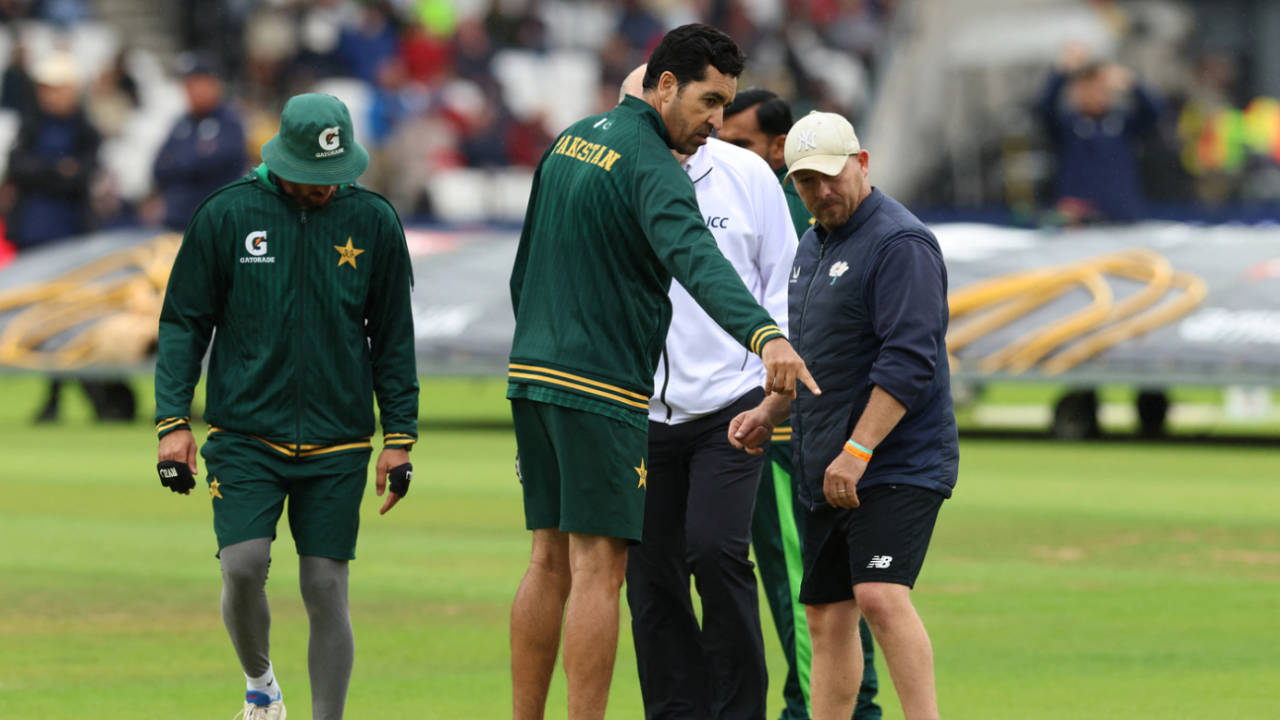
Umar Gul is widely regarded as an exceptionally mild-mannered figure, a stark contrast to the historical archetype of the fiery Pakistan fast bowler. Yet, even a man of his temperament has been driven to frustration by the recent developments in England. Pakistan’s defeat at Headingley, characterized by a lack of bite from their pace battery and a reluctance from the batting lineup to occupy the crease for extended periods, has undergone intense scrutiny. Amidst the post-mortem of a spineless performance, Gul has pointed a finger at a familiar yet often unpredictable culprit: the English weather.
Speaking at Lord’s, Gul explained that the team had been conditioned for a different experience. Having arrived from the West Indies during a period of warm weather, the squad expected those conditions to persist. Even the preparatory match at Croydon offered the heat they were accustomed to. Upon arriving in Yorkshire, however, the squad was met with dark skies and a biting chill. For Gul, the transition was not merely a matter of comfort but a significant hurdle in physical preparation and execution.
The Challenge of Acclimatization
Gul highlighted that the sharp shift in climate made it difficult for his bowlers to maintain their rhythm. The cold, he suggested, led to a sense of stiffness that hindered their effectiveness, allowing England to post a dominant total of 409 runs in their single outing. The argument posits that while top-tier athletes are expected to perform in all conditions, the drastic change in ambient temperature during a short window of time created an environment where the bowlers could not find their natural length or pace.
This reliance on weather forecasts as a pillar of preparation suggests an inherent vulnerability in the team’s current strategic framework. Building a game plan that assumes a continuation of southern heat while traveling north into the heart of Yorkshire proved to be a precarious gamble. When the reality of the northern climate set in, the team found themselves chasing shadows, unable to adapt their approach to the conditions at hand.
Reflections on Selection and Future Prospects
Beyond the weather, the broader discussion surrounding the team remains a complex puzzle. Gul, who has enjoyed successful stints in English county cricket throughout his career, expressed a clear sense of helplessness regarding the current bowling attack. While he continues to mentor the younger generation, he acknowledged the limitations of coaching speed. He pointed toward Ubaid Shah as a bright prospect for the future, though he balanced this praise with the reality that incorporating such youth often means sacrificing the tactical experience that the team currently lacks.
The conversation inevitably turned to Shaheen Afridi, whose absence from the immediate lineup has been a subject of much debate among fans and pundits alike. Gul remained diplomatic, steering questions about selection toward the committee, though he stopped short of hiding his admiration for the spearhead. By labeling Afridi as ‘Pakistan’s best bowler,’ Gul made his stance clear, noting that the decision to rest him was one for the selectors, while noting that players like Abbas and Mohammad Ali brought the advantage of having already been acclimatized to English county conditions.
A Capricious Reality
If there is a singular theme emerging from Pakistan’s tour thus far, it is the struggle to manage variables that lie outside of their control. The capriciousness of the English climate is matched only by the shifting winds within the national selection committee. For a figure like Umar Gul, attempting to navigate the intersection of these two volatile forces is no small task. As the team looks toward the next encounter, the hope remains that the lessons learned from the shivering experience at Headingley will translate into a more robust and adaptable performance on the field.
Ultimately, while the weather served as a convenient explanation for the shortcomings witnessed in the first Test, the path forward requires a more comprehensive shift in mindset. Whether it is through better physical preparation for climate variance or a more stabilized selection process, Pakistan must find a way to perform regardless of the thermometer reading if they are to reclaim their status as a force in international cricket.