Gautam Gambhir ‘ideally’ wants three-match Test series for richer narratives

Contents
Gautam Gambhir Calls for Three-Match Test Series to Enrich Cricket Narratives
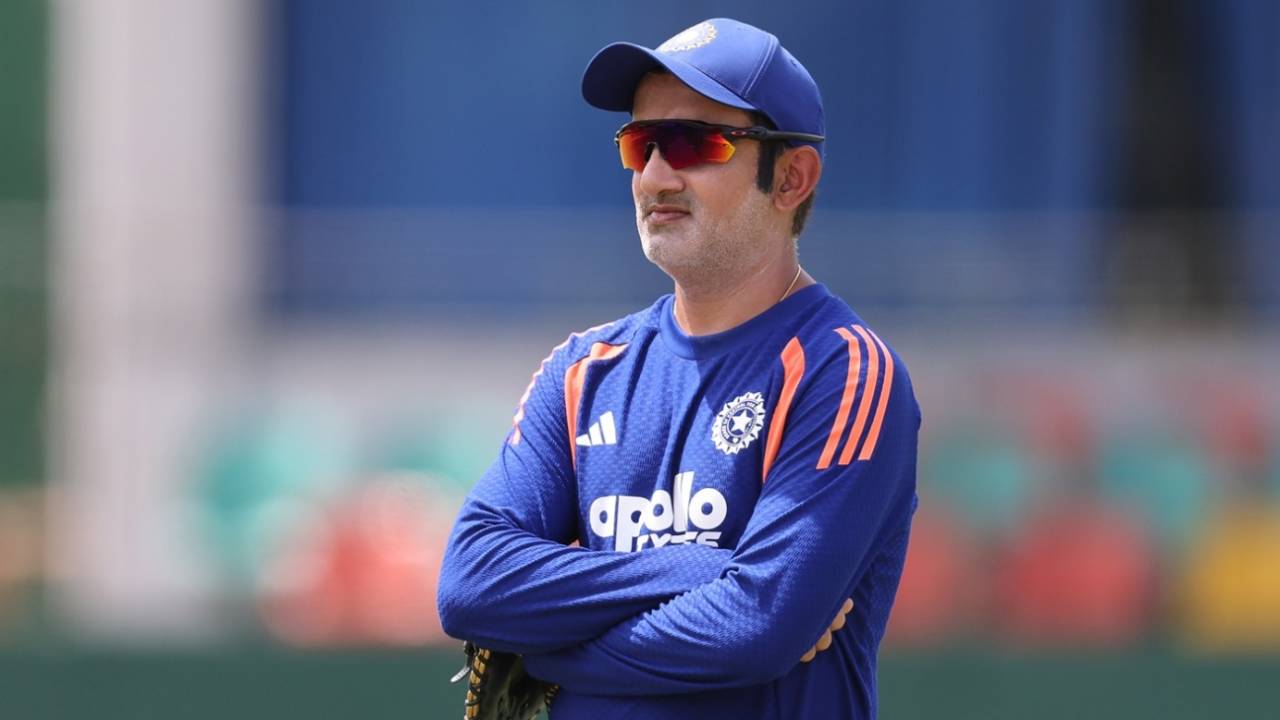
India coach Gautam Gambhir has voiced a strong preference for three-match Test series, arguing that the prevalent two-Test format, such as the one his team is currently engaged in against Sri Lanka, often stifles the full narrative potential of a cricketing contest. His primary concern centers on the limited opportunity for a team to recover and assert itself after an initial loss, a crucial aspect of Test cricket’s enduring appeal.
Speaking in Colombo on the eve of the second Test, Gambhir articulated his vision: “Ideally, I would want a three-match Test series. I’ve always believed that there should always be a possibility that a team losing the first Test match can come back and win the series. You can’t do that in a two-Test series – the most you can do is draw the series.” This statement comes even as his side leads the ongoing series, having secured a commanding 165-run victory in Galle, highlighting that his perspective is rooted in the format’s integrity rather than immediate results. He also noted that a short turnaround between Tests, a common feature, is not an issue, as other teams manage it effectively.
The Importance of a Comeback Arc
The essence of Test cricket lies in its ebbs and flows, the psychological battles, and the strategic adjustments made over five days. A shorter series inherently diminishes this. In a two-Test series, a single loss can effectively end a team’s chances of winning, reducing the subsequent match to a mere formality or a battle for a draw. This deprives fans of the captivating drama of a team staring down defeat, regrouping, and fighting its way back to glory. The possibility of a dramatic turnaround is a significant draw for Test cricket enthusiasts, adding layers of tension and excitement that a truncated series cannot replicate.
India themselves have firsthand experience with dramatic comebacks. During their 2015 tour of Sri Lanka, the team had to bounce back from a 1-0 deficit to clinch the series. This demonstrated the resilience and strategic depth required to overcome an early setback. However, the most iconic illustration Gambhir cited was India’s extraordinary performance during the Border-Gavaskar Test series in Australia in 2020-21. This series stands as a testament to the power of perseverance and the narrative richness that multi-match series offer.
The Unforgettable 2020-21 Border-Gavaskar Trophy
The Border-Gavaskar series of 2020-21 remains etched in cricketing history as one of the greatest Test comebacks ever. India, grappling with injuries to key players and the absence of their captain, Virat Kohli, after the first Test, faced an uphill battle. The series began disastrously for India, who were bowled out for their lowest-ever Test score of 36 in the opening match in Adelaide, suffering a crushing eight-wicket defeat. The team looked shattered, and many pundits predicted a whitewash.
Yet, what unfolded next was nothing short of miraculous. Led by Ajinkya Rahane, India staged a remarkable turnaround, winning the Boxing Day Test in Melbourne by eight wickets. This victory infused the team with renewed confidence. The third Test in Sydney saw an incredible display of grit and determination as India, despite being under immense pressure, batted through the final day with a depleted squad to secure a hard-fought draw. The stage was then set for the series decider at the Gabba in Brisbane, a fortress where Australia had not lost a Test in 32 years. Defying all odds, a young and inexperienced Indian side pulled off a stunning three-wicket victory on the final day, chasing down 328 runs to clinch the series 2-1. This entire saga, from the depths of despair to the heights of triumph, would have been impossible to narrate in a two-Test series.
Gambhir emphasized the significance of such narratives: “I still remember that series, between India and Australia, where India was one down, and they still managed to come back, and win that series 2-1. Normally, if you have those three Test matches, it’s always worth it.” This series perfectly encapsulates his argument that longer series allow for a true test of character, strategy, and skill over an extended period.
The Global Trend and its Impact on World Test Championship
Despite the compelling arguments for longer series, the reality of the current cricketing calendar often dictates otherwise. Beyond powerhouses like India, Australia, and England, most Test-playing nations frequently engage in series lasting only two Tests. This is true even when facing top-tier opponents. Sri Lanka, for instance, has only six two-match series scheduled in the ongoing World Test Championship (WTC) cycle. Similarly, the reigning World Test Champions, South Africa, experienced a relatively sparse schedule in the cycle they won, often featuring short series.
This trend of shorter series can have significant implications for the World Test Championship. While every match carries points, the ability of teams to recover from an initial stumble and build momentum over a longer series is curtailed. It means less opportunity for teams to truly impose themselves or for lower-ranked teams to spring a surprise over multiple encounters. A three-match series provides a more comprehensive assessment of a team’s strength, depth, and adaptability, offering more chances for different players to shine and for strategic changes to bear fruit.
Conclusion: A Call for More Enduring Test Cricket
Gautam Gambhir’s advocacy for three-match Test series resonates with purists and enthusiasts who believe in the format’s unique ability to tell a compelling story. The potential for a team to recover from an initial setback and ultimately triumph is a cornerstone of Test cricket’s appeal. By offering more opportunities for such comebacks, longer series not only enhance the sporting contest but also enrich the narrative, making Test cricket a more engaging and memorable experience for players and fans alike. In an era where white-ball cricket often dominates the schedule, ensuring Test cricket maintains its depth and drama through appropriate series lengths is crucial for its continued health and relevance.