Notts ‘disappointed’ as chief executive Kenyon leaves for Lancashire: A Leadership Shift
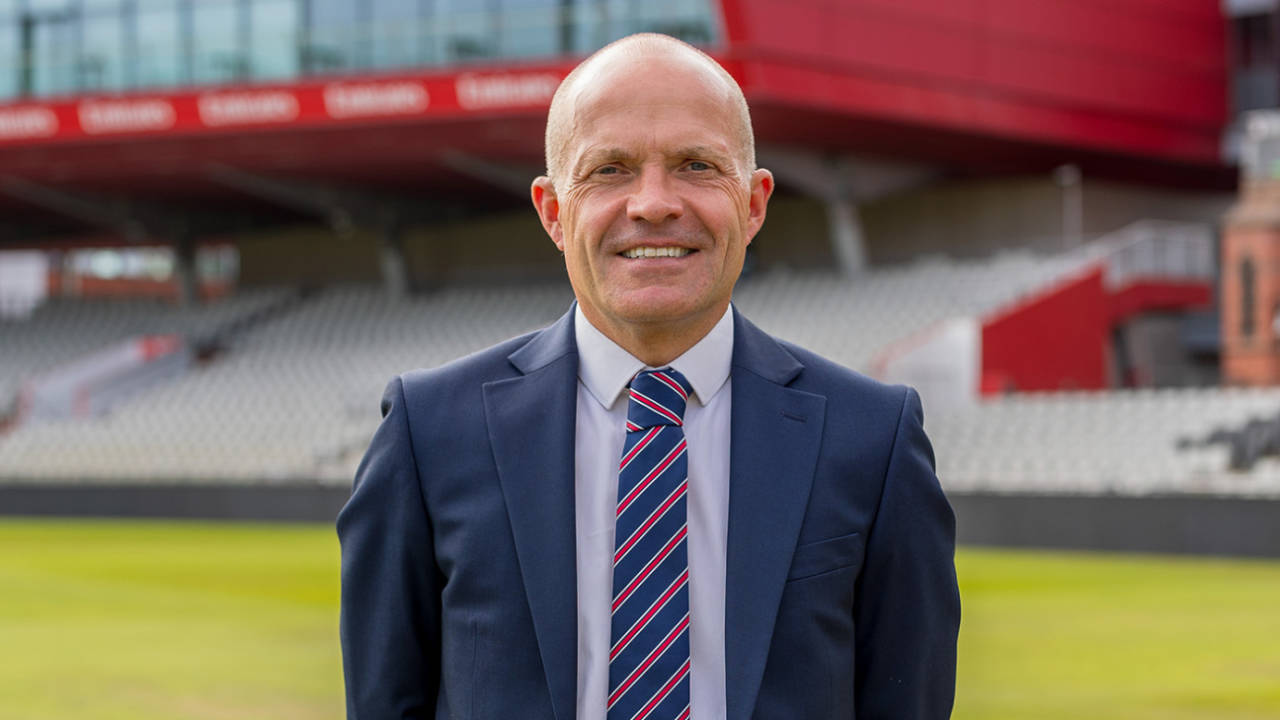
The cricketing world has seen a significant executive reshuffle as Richard Kenyon will leave his role as Nottinghamshire’s chief executive after less than a year in charge. His departure marks a swift transition, as he prepares to take on the same leadership position at Lancashire, succeeding the retiring Daniel Gidney. This move, driven by Kenyon’s deep personal ties to Lancashire, has elicited a mix of understanding and disappointment from Nottinghamshire.
Contents
A Swift Departure from Trent Bridge
Kenyon, whose professional background includes over a decade with Everton Football Club, is a lifelong Lancashire supporter, having been based in Southport for many years. He described the opportunity to lead his home county club as “impossible for me to turn down,” a sentiment that resonates with many who understand the pull of one’s roots. He is set to commence his duties at Lancashire later this year, following the completion of his notice period at Nottinghamshire.
At Trent Bridge, the immediate leadership void will be filled by commercial director Michael Temple, who will step up as interim chief executive. This ensures continuity during a crucial period for the club, which has seen strong performances on the pitch and significant commercial growth.
Nottinghamshire’s Reaction: Disappointment and Understanding
Andy Hunt, Nottinghamshire’s chairman, expressed mixed emotions regarding Kenyon’s departure. “Richard’s decision to leave is grounded in his ties to his home patch,” Hunt stated, acknowledging the powerful draw of personal connections. While admitting to disappointment at such an early end to Kenyon’s tenure, Hunt also conveyed understanding, remarking on “the demands of the role and the lure of working closer to home.”
Hunt further praised Kenyon’s contributions during his short time at Trent Bridge, highlighting the positive impression he made. “Richard made a positive impression at Trent Bridge during a period in which we have maintained strong performances on the pitch, grown commercially and maintained strong operational delivery. We wish him well for the future,” Hunt added. This statement underscores the professional respect maintained despite the unexpected change in leadership.
A Return to Roots: Kenyon’s Vision for Lancashire
For Richard Kenyon, this move represents a profound return to his cricketing origins. His connection with Lancashire dates back to his formative years, recalling memories of watching the club compete against the touring West Indians at Southport and Birkdale CC in 1984. This deep-seated affinity for the club undoubtedly played a pivotal role in his decision.
In a statement expressing his enthusiasm, Kenyon articulated the significance of his new role: “To now have the opportunity to lead this great club as chief executive officer is incredibly special and is a responsibility I take very seriously.” He highlighted his eagerness to collaborate with the club’s leadership, including Dame Sarah Storey, the board, the executive team, players, staff, and members. His aim is clear: to “build on the foundations that have been established and help drive the club forward, both on and off the field, over the coming years.”
Kenyon sees a bright future for Lancashire, emphasizing the ambition and vision presented by the new board as key factors in his decision. “It is a fantastic opportunity and one that I’m really looking forward to getting stuck into,” he remarked. He acknowledged the considerable work ahead but expressed absolute determination to restore Lancashire’s standing as “one of the most competitive and successful counties in the country.” This ambitious outlook sets a clear direction for his upcoming leadership.
Daniel Gidney’s Legacy at Emirates Old Trafford
Kenyon’s appointment follows the retirement announcement of Daniel Gidney, who declared his intention to step down in April after an impressive 14-year tenure as Lancashire’s chief executive. Gidney’s leadership has been instrumental in shaping the club’s modern landscape, particularly in commercial development.
During his extensive period at the helm, Lancashire witnessed significant increases in commercial revenues, a testament to Gidney’s strategic prowess and business acumen. Beyond financial growth, his tenure also saw the launch of a dedicated women’s team, a crucial step in promoting inclusivity and expanding the sport’s reach. Furthermore, the club embarked on an innovative partnership with the RPSG Group, leading to the creation and operation of the Manchester Super Giants. These initiatives collectively underscore a period of dynamic expansion and modernization for Lancashire Cricket.
However, Gidney’s legacy is not without its nuances. While celebrated for commercial successes and broader club development, some members have voiced concerns that the club’s focus might have drifted from its core cricketing priorities in recent years. This perspective highlights the perpetual challenge faced by cricket administrators: balancing financial sustainability and commercial ventures with the fundamental pursuit of on-field excellence and traditional cricketing values.
Looking Ahead: A New Chapter for Both Clubs
The departure of Richard Kenyon from Nottinghamshire and his subsequent move to Lancashire marks a pivotal moment for both prestigious county clubs. For Nottinghamshire, the immediate task involves ensuring a seamless transition under Michael Temple’s interim leadership, maintaining the positive momentum established both commercially and on the field. The search for a permanent chief executive will undoubtedly be a top priority as they look to build on recent successes.
At Emirates Old Trafford, Richard Kenyon steps into a role with a rich history and a clear mandate for future growth. His lifelong connection to Lancashire, combined with his expressed ambition to elevate the club’s competitive standing, promises an exciting new chapter. The coming years will reveal how this new leadership will navigate the dual challenges of enhancing cricketing success and furthering commercial prosperity, all while striving to meet the expectations of a passionate fan base.