Contents
A New Chapter for Sri Lankan Cricket Governance
In a move aimed at revitalizing the administrative and operational framework of the sport, the Draft of SLC constitution handed over to sports minister represents a pivotal development for the governing body. While this milestone is a crucial step in the right direction, the transformation committee has made it clear that the journey to formalizing this document as law involves several complex legal and parliamentary stages.
The Long Road to Legislation
The process for enacting the new constitution is thorough and deliberate. Following the handover, the document must undergo rigorous review by the Attorney General’s department and the legal draftsman. Once cleared, it moves to the Cabinet for approval, followed by the gazetting process and a formal first reading in Parliament. A two-week window for potential legal challenges follows, with the courts expected to provide swift verdicts should any disputes arise. Only after the second and third parliamentary readings can the document finally be ratified into law.
Focusing on Governance and Accountability
The proposed constitutional changes are designed to balance elected representation with professional expertise. The new board structure envisions a 14-member committee, split equally between seven elected members and seven appointed experts. This ‘technocratic’ approach ensures that critical areas—such as law, finance, IT, and marketing—are overseen by specialists. Notably, the chairman will be drawn from the appointed cohort to preserve institutional independence.
Fielding Excellence: Beyond the Boardroom
While governance dominates headlines, the transformation committee, led by Sidath Wettimuny and chairman Eran Wickramaratne, is equally focused on the game’s long-term health. Significant emphasis is being placed on:
- Coaching and Education: Plans are underway to bring in high-performance expert Ashley Ross to elevate coaching standards across the nation, moving beyond mere certification toward holistic player development.
- Technological Integration: The committee is exploring the implementation of iHawk, an automated tracking technology used in English county cricket, to refine pitch data and umpiring accuracy.
- Umpiring and Infrastructure: SLC plans to recruit dedicated umpiring coaches and a central manager for groundstaff to standardize international and domestic venues.
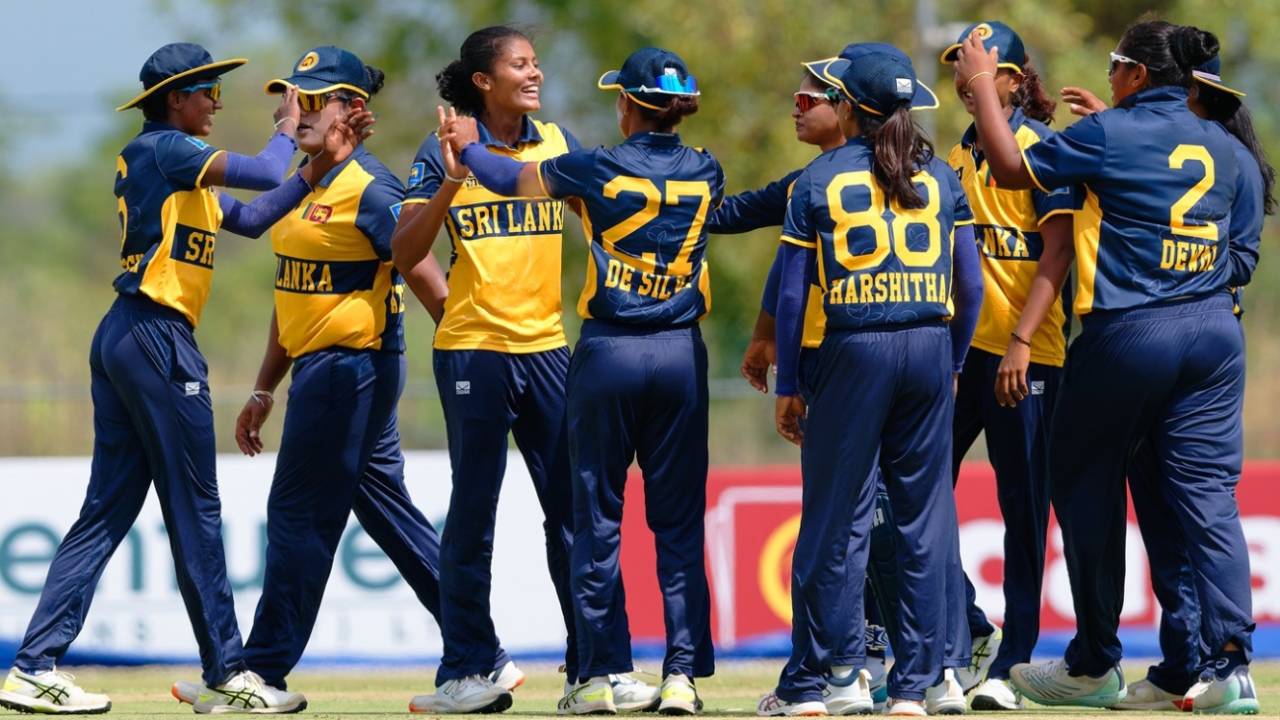
- Women’s Cricket: With the sport’s rapid growth, the committee is consulting experts like Roshan Mahanama and Kumar Sangakkara to address management, disciplinary, and player protection frameworks.
A Youth-Centric Strategy
Recognizing the need for a smoother transition from junior to international levels, the committee has proposed shifting the domestic U-23 tournament to an U-21 format. This change is intended to help the governing body monitor talent more closely during the critical 18-to-21 age window, providing a clearer pathway for players entering the national setup.
Collaborative Expertise
The recent visit by renowned sports physiotherapist Alex Kountouris underscores the committee’s commitment to modernizing strength and conditioning practices. This ongoing collaboration is indicative of the committee’s wider philosophy: to seek global best practices while nurturing local talent. The committee also intends to maintain transparency, with plans for regular media briefings to keep the public and stakeholders informed throughout this transformative period.
Looking Ahead
Despite the lukewarm reception in some quarters regarding the pace of change, the committee remains optimistic. By reducing the voting body and introducing an independent, appointed leadership, they aim to insulate the sport from historical governance pitfalls. As Wettimuny noted, the current two-year program is designed to ensure that the game does not suffer during this transition, laying a foundation that future administrations can build upon to restore Sri Lanka’s prominence in international cricket.