That was a political issue: Mehidy Hasan Miraz on Bangladesh’s T20 World Cup abs
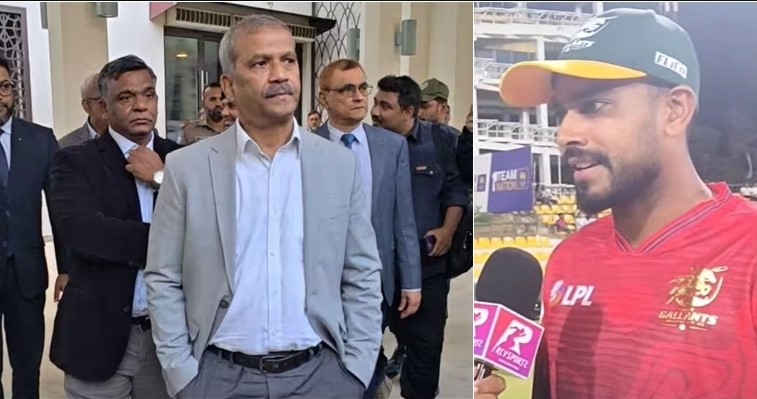
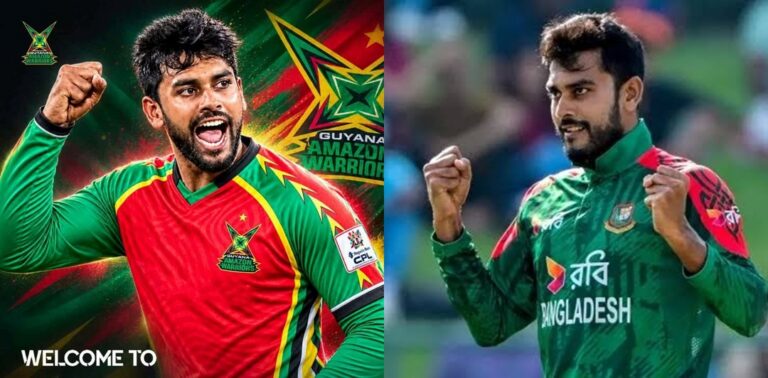
In a candid revelation that has reverberated through the cricketing world, Bangladesh ODI captain Mehidy Hasan Miraz has shed light on the circumstances surrounding his country’s controversial withdrawal from the ICC T20 World Cup held in India. Miraz unequivocally described the decision as a “political issue,” indicating a deep-seated frustration among players who felt their aspirations were sidelined by factors beyond their control. This statement offers a rare glimpse into the complex interplay between sports and external influences, particularly concerning national representation on a global platform.
Contents
The Controversial Withdrawal and Its Origins
Bangladesh’s absence from the prestigious T20 World Cup tournament was not a matter of choice for the players, according to Miraz. The nation’s cricket board made the contentious decision to pull out after an incident involving star pacer Mustafizur Rahman. Rahman’s controversial removal from the Indian Premier League (IPL) apparently served as a catalyst, triggering a chain of events that culminated in Bangladesh’s withdrawal. This development sent shockwaves through the cricketing community, especially given the tournament’s stature and the opportunities it presents for emerging cricket nations.
The sudden vacuum created by Bangladesh’s exit led to a last-minute call-up for Scotland, highlighting the unforeseen nature of the situation. While Scotland eagerly seized the chance to compete on the world stage, Bangladesh’s players were left to grapple with the bitter reality of missing out. This incident underscores the fragility of international sporting participation when political considerations come into play, potentially overshadowing athletic merit and dedication.
A Dream Denied: Player Disappointment and Missed Opportunities
Speaking in a recent interview, Miraz was direct and poignant when addressing Bangladesh’s absence. “I think that was a political issue. I don’t have much to say beyond that,” he stated, a sentiment that speaks volumes about the perceived helplessness of the players in the face of such decisions. His words convey not just personal disappointment but also a collective sorrow within the team.
Miraz further elaborated on the profound impact of the decision, revealing that it was made largely without consulting the cricketers themselves. “Every player dreams of playing in a World Cup. Many of our younger players also wanted that opportunity. Unfortunately, it happened because of political issues, and everyone knows the situation.” This statement highlights the fundamental desire of every athlete to represent their country at the highest level. For younger players, a World Cup appearance can be a career-defining moment, offering invaluable exposure, experience, and the chance to showcase their talent on a global stage. To have such an opportunity snatched away due to non-sporting reasons is undoubtedly a crushing blow, affecting morale and potentially future development.
The interim government’s alleged role in the decision-making process, as suggested by Miraz, raises critical questions about autonomy in sports administration. When external political entities dictate sporting participation, it risks undermining the very spirit of fair play and athletic pursuit. The aspirations of an entire generation of cricketers, many of whom dedicate their lives to the sport, become collateral damage in broader political maneuvers.
The Allure of India and Personal Ambitions
Miraz also candidly admitted his personal desire to play in India, a sentiment echoed by many international cricketers. “Yes, everybody wants to play in India,” he affirmed. India, with its passionate fan base, world-class stadiums, and competitive cricketing environment, offers a unique experience for visiting teams. Playing in India is not just about the game; it’s about soaking in the vibrant cricket culture and testing one’s skills against some of the best in the world. For Miraz, and presumably for his teammates, missing out on this experience was a significant loss, both professionally and personally.
This yearning to play in India is a testament to the country’s stature in the cricketing landscape. It reinforces the idea that participation in major tournaments hosted by leading cricketing nations is crucial for a player’s development and recognition. Denying players this chance, regardless of the reasons, inevitably leaves a void in their career trajectory and national team’s collective experience.
Mehidy Hasan Miraz: A Look at His T20I Journey
Interestingly, while Miraz expressed disappointment over the T20 World Cup absence, he is currently not a part of Bangladesh’s T20I setup. His last appearance in a T20 international for Bangladesh was on July 24 last year, exactly one year prior to the reported interview. This fact adds another layer of complexity to his statements, as it underscores the challenges players face not only with external political decisions but also with internal team selections and their own form.
Throughout his career, Miraz has played 34 T20Is for the national team, contributing significantly with both bat and ball. He has scored 418 runs, often providing crucial impetus in the middle order, and has taken 18 wickets with his off-spin, proving to be a valuable all-round asset. Despite his contributions, his absence from the T20I squad highlights the highly competitive nature of international cricket and the constant evolution of team dynamics. One can only ponder the additional experience and perspective he could have brought to the World Cup squad, had Bangladesh participated and he been selected.
His T20I statistics, though not staggering, reflect a consistent performer capable of making an impact. Missing a World Cup, especially when one is still actively playing other formats and harbors a desire to represent the country, adds to the personal and professional void. It reiterates how crucial every major tournament is for a player’s career narrative and legacy.
The Broader Implications for Bangladesh Cricket
The incident surrounding Bangladesh’s withdrawal from the T20 World Cup serves as a cautionary tale for cricket boards and governments worldwide. The intertwining of politics and sports rarely bodes well for the athletes, who are often caught in the crossfire. Such decisions can not only demotivate players but also deter investment in youth development programs, erode international goodwill, and potentially impact a nation’s standing in the global cricketing fraternity.
For Bangladesh, a nation with a fervent passion for cricket and a growing presence on the international stage, missing a World Cup due to what is termed a “political issue” is a setback that extends beyond the immediate tournament. It affects the confidence of the players, the hopes of the fans, and the trajectory of the sport within the country. Moving forward, it becomes imperative for cricketing bodies to safeguard the autonomy of sports and ensure that athletic aspirations are not sacrificed at the altar of political expediency. The voices of players like Mehidy Hasan Miraz serve as crucial reminders of what is truly at stake when such critical decisions are made.