Shakib Al Hasan Slams Government Over Bangladesh T20 World Cup 2026 Exit

Contents
Shakib Al Hasan Breaks Silence on Bangladesh’s T20 World Cup 2026 Fiasco
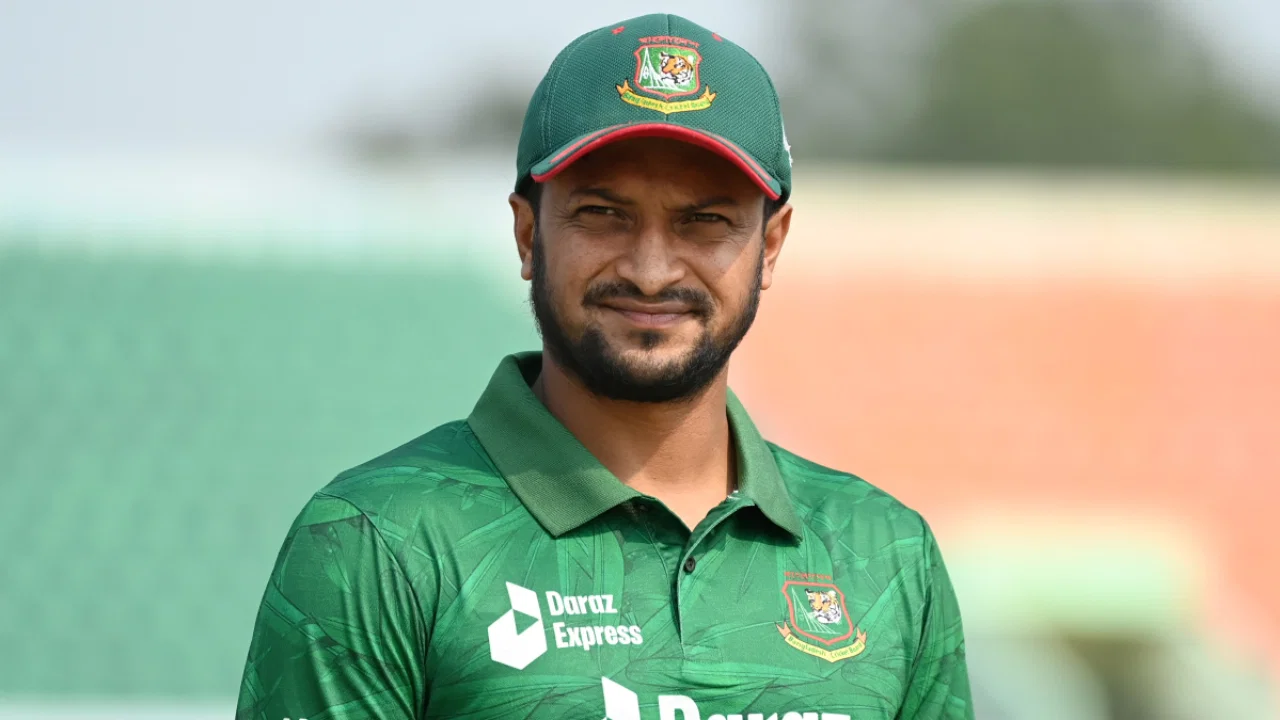
The Bangladesh National Cricket Team is currently immersed in an all-format series against New Zealand, having recently wrapped up the ODI leg and preparing for the final T20I clash this Saturday. However, the headlines have been dominated not by the on-field action, but by the explosive comments of former captain Shakib Al Hasan, who has finally spoken out regarding the nation’s catastrophic absence from the ICC Men’s T20 World Cup 2026.
The road to this exclusion was marked by tension and missed opportunities. Despite repeated reassurances from the International Cricket Council (ICC) regarding security protocols in India, the Bangladesh interim government ultimately decided against traveling to the host nation. This refusal left the ICC with little choice but to remove the ‘Bangla Tigers’ from the tournament, with Scotland stepping in as their replacement. For a nation where cricket is more than just a sport, this decision has sent shockwaves through the sporting community.
A ‘Blunder’ of Monumental Proportions
Speaking on the sidelines of the EU T20 Belgium 2026 jersey launch event in Mumbai on Wednesday, Shakib Al Hasan did not mince his words. He pointedly held the caretaker government responsible for the decision, characterizing it as a shameful lapse in judgment that has caused an irreparable setback for the sport in Bangladesh.
“I think that’s a big loss. Great miss as far as Bangladesh cricket is concerned,” Shakib stated. “Because we as a country love watching our players play in the World Cup and other matches. It was a blunder from the government side that they took the decision not to participate in that World Cup.”
The all-rounder emphasized that the decision was not merely a political one but a direct disrespect to the athletes who have trained for years to compete on the world stage, as well as the millions of fans whose passion fuels the game in Bangladesh. By prioritizing geopolitical hesitations over sporting excellence, Shakib believes the government has failed the people.
Analyzing the Current State of the National Team
Despite the administrative turmoil and the heartbreak of missing a major tournament, Shakib remains optimistic about the actual quality of the squad. When questioned about the future of the sport in the country, the veteran all-rounder highlighted a positive shift in the team’s dynamics. He noted that the team is currently playing with a newfound cohesion, pointing to their recent success against New Zealand.
Shakib observed that the team has evolved from relying on individual brilliance to adopting a more collective, team-centric approach. “I think the team is playing really well at this moment. They just beat New Zealand. They won the first T20 against New Zealand. So they are good teams. Previously, it used to be individuals. Now it’s more about the team. And I think that’s the better way to go forward,” he explained.
He further praised the emerging talent pool, stating that while he cannot name specific individuals, the blend of experienced veterans and a promising new generation provides a bright future for the nation’s cricket prospects.
Insights on Indian Cricket and the T20 Revolution
While in Mumbai, Shakib also shared his professional perspective on the Indian National Cricket Team and the influence of the TATA Indian Premier League (IPL). He expressed immense admiration for the depth of the Indian talent pipeline, suggesting that the system is so robust it could sustain the team’s dominance for the next 50 years.
However, he raised a cautionary flag regarding the growing obsession with T20 franchises. Shakib emphasized that an overly heavy focus on the IPL might eventually erode the prestige and viability of Test cricket, the game’s ultimate challenge.
The Opportunity of Emerging Leagues
Finally, Shakib discussed his involvement with the upcoming EU T20 Belgium tournament. He believes that franchise leagues provide an invaluable bridge for young cricketers to learn from the world’s best players. According to him, playing alongside established big names allows the younger generation to accelerate their growth and gain essential international experience.
In conclusion, while Shakib Al Hasan remains hopeful about the talent and teamwork within the Bangladesh squad, his words serve as a stern reminder of the devastating impact that political interference can have on sporting ambitions. The “World Cup blunder” remains a scar on the history of Bangladesh cricket, one that the former captain believes should never be repeated.