Iyer: Need to ‘adapt as soon as possible’ after getting a ‘reality check’

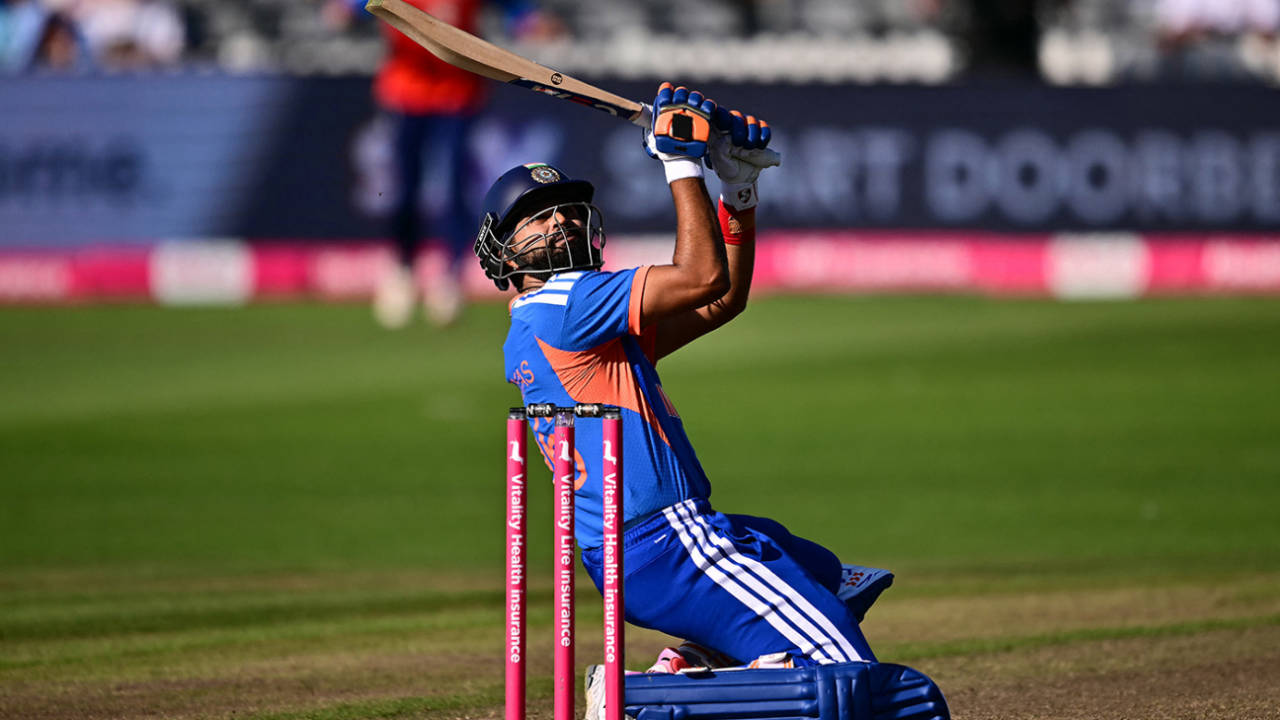
India captain Shreyas Iyer has emphasized the vital necessity of rapid acclimatization, collective resilience, and tactical awareness as his side prepares for the T20I series opener against Zimbabwe at the Harare Sports Club. Facing a demanding schedule, Iyer and four other squad members arrived in the country from England on Tuesday evening, leaving them with less than 48 hours to prepare before taking the field. Despite the intense physical and logistical demands, the Indian skipper remains focused on turning these hurdles into opportunities for growth and success.
Contents
The Challenge of Immediate Adaptation
Stepping off a long-haul flight and moving directly into match preparation presents significant physical and mental hurdles for any international athlete. Acknowledging the extreme turnaround, Iyer offered a candid assessment of the squad’s situation heading into the first fixture. According to the captain, while the transition is undoubtedly tough, it also brings a distinct sense of excitement and reward when performances align with expectations.
“I’m not going to lie, it is definitely very challenging,” Iyer remarked regarding their tight schedule. “Like we came yesterday and today is practice and tomorrow is match again. So it is challenging, but it is fun. If you give a good performance, you will be happy with yourself and you will definitely get praises.”
Learning from Recent Setbacks in Ireland and England
The journey to Zimbabwe comes on the heels of difficult outings in Ireland and England. In Ireland, the hosts took full advantage of local conditions and ground dimensions to pull off an unexpected victory against India. Iyer pointed to that experience as an essential learning curve, stressing that the squad cannot afford to take environmental factors lightly.
Reflecting on the tactical missteps from previous matches, the captain called for immediate tactical alignment and heightened awareness on the field. “We have to adapt as soon as possible, because that’s what happened with us in Ireland. So I think we got a sort of reality check there,” Iyer explained. “So as soon as we come here and create awareness, right execution, definitely the results will go our way.”
Despite experiencing a tough spell during the English tour, Iyer maintained that the squad extracted crucial lessons about team dynamics and operational clarity. “We had a rough patch in England, but a lot of positives came out of that,” he added. “We got to know what we have to build as a team going forward, what kind of presence of mind, awareness, and adaptability we need once we step onto the field. Again, this is going to be a great challenge for us. Some of us are playing here for the first time. So the quicker we adapt, the better result we would get.”
Eradicating the Fear of Failure
Moving past consecutive series defeats requires a psychological reset. Iyer urged his teammates to cast aside any fear of failure and ignore external noise or public chatter regarding recent results. In his view, playing defensively out of apprehension only hinders a player’s true potential, whereas embracing an assertive approach allows individuals and the collective unit to thrive.
“I don’t think they should have a fear of failure,” Iyer stressed. “Because when you have such thoughts in the back of your mind, then you play to save yourself. When you don’t have the thought of fear of failure, you can get the best out of yourself. So I want to convey this message.”
He further emphasized the importance of staying grounded in the present moment rather than worrying about public perception or potential outcomes. “The talks that are happening outside, what people will say if this series went up and down – don’t think too much about it,” he advised. “We have to stay in the present day. The more we play good cricket, the more we play with unity as a team, the team will benefit from it. We will think about the individuals later.”
Building Unity Through External Exposure
Far from allowing the recent string of losses to divide the dressing room, Iyer revealed that the adverse results have actually galvanized the group. Navigating three straight tours outside of India has provided invaluable exposure for a developing squad, fostering deeper communication and structural clarity.
“Definitely, as you know, the results didn’t go our way,” Iyer admitted. “That has brought the team closer to each other. We have been having a lot of discussions about how we are going to play as a unit going forward, especially against Zimbabwe right now.”
Highlighting the long-term benefits of these challenging tours, he noted: “Yes, we have had three series outside of India. And it is great exposure for us as well, as a team, because you don’t get this often. And this is a challenging phase. And the quicker you overcome this phase, the better you get as a team. And you get the results as well eventually.”
Personal Resilience and Captaincy Growth
On an individual level, Iyer’s early captaincy tenure has presented significant trials, leaving him seeking his first win after seven consecutive matches. However, combined with his recovery from a major injury sustained in Australia last year, these obstacles have served to strengthen his mental resolve and personal confidence.
“I feel it has made me more confident as an individual,” Iyer shared when speaking about overcoming adversity. “Because as quickly as possible, when you overcome the injury phase, mentally it makes you very positive. You work on your skills. You work on your strengths and weaknesses. And I have this feeling that when you overcome this barrier as an individual, it makes you stronger as a person.”
He concluded with a clear outlook on managing pressure and executing skills under match conditions: “And then whatever challenges you face on the field, you know how quickly you can overcome it. So, yes, there can be ups and downs. But the quicker you analyse and the quicker you execute stuff the way you want to, I feel that you are in a great space of mind. And at the end of the day, it’s beneficial for the team as well.”