BCCI updates domestic rules for overthrows, deliberate no-balls to tighten play

Contents
A New Era for Indian Domestic Cricket
The Board of Control for Cricket in India (BCCI) has officially announced a series of robust changes to its domestic playing conditions, signaling a proactive approach to modernizing the game. As part of a major regulatory overhaul, the BCCI updates domestic rules for overthrows, deliberate no-balls, and several other tactical aspects of play to align with international standards and the revised MCC Laws.
Stricter Penalties for Deliberate Infractions
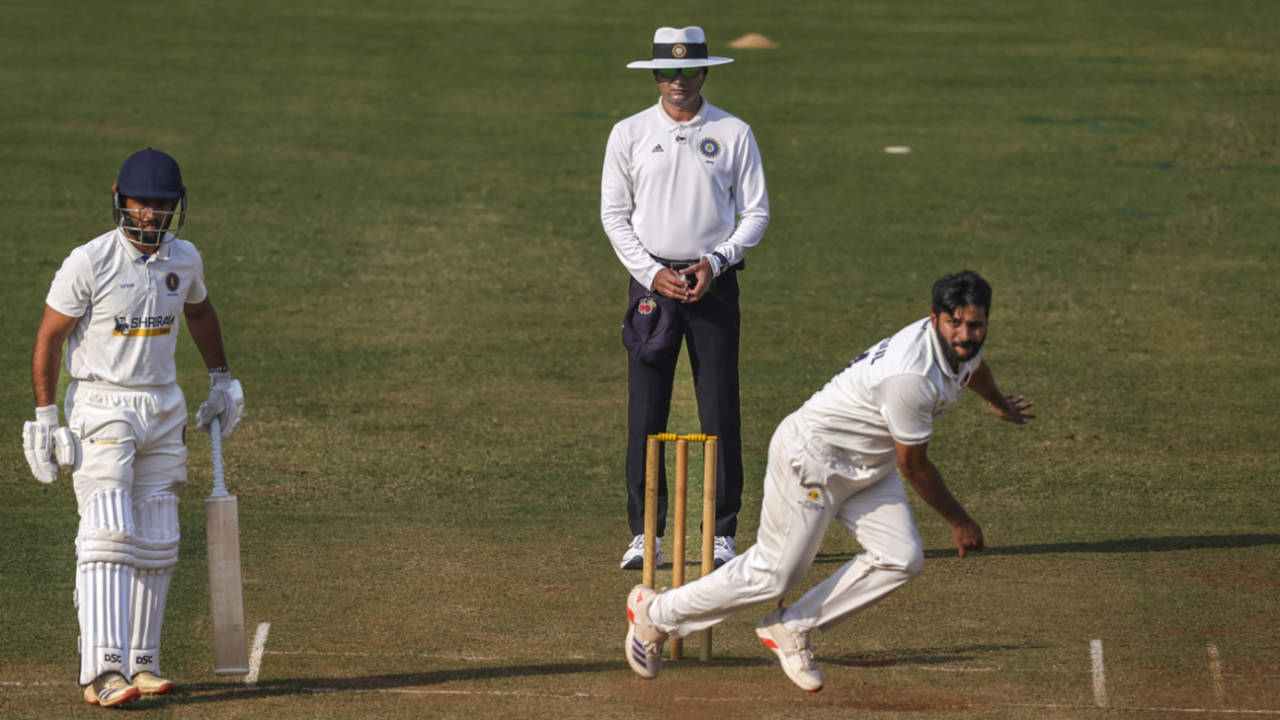
Perhaps the most notable change concerns the disciplinary action taken against bowlers who intentionally bowl front-foot no-balls or dangerous non-landing full-toss deliveries. Previously, such an infringement resulted in a bowler being suspended for the remainder of that specific innings. Under the new, stricter guidelines, the bowler will now face a suspension for the entire remainder of the match. This shift serves as a significant deterrent, emphasizing the BCCI’s intolerance for unsporting behavior on the field.
Tactical Adjustments in Multi-Day Formats
The BCCI is also addressing common tactical loopholes in multi-day competitions. A new mandate requires that the final over of a day’s play must be completed in its entirety, regardless of whether a wicket falls. Previously, the fall of a wicket during the final moments of a session could be used to prematurely end the day’s play, often frustrating bowling sides. By closing this loophole, the board ensures that teams cannot manipulate the schedule to avoid sending a new batter out late in the evening, thereby maintaining the competitive balance of long-form cricket.
Modernizing Wicketkeeping and Overthrow Laws
The updated regulations also bring clarity to the positioning of wicketkeepers. The previous rule required keepers to be fully behind the stumps from the moment the ball came into play. The revised wording now specifies that the keeper must be correctly positioned only from the instant of delivery. This practical change recognizes the fluid nature of a bowler’s run-up and prevents unnecessary penalties for gloves being briefly positioned in front of the stumps during the approach.
Furthermore, the definition of an ‘overthrow’ has been refined. In line with conventional cricket thinking, the BCCI now clarifies that an overthrow specifically refers to a throw made in an attempt to hit the stumps, prevent runs, or effect a run-out. This distinction helps differentiate between legitimate fielding errors and intentional tactical overthrows, streamlining the scoring process for umpires and scorers alike.
Enhanced Crease Markings for Limited-Overs
To improve accuracy in judging leg-side wides during T20 and one-day competitions, the BCCI has mandated the introduction of additional crease markings. These lines, which must be clearly visible, provide umpires with a better reference point for adjudicating deliveries that drift down the leg side. By removing language that referred exclusively to the off-side, the board has created a more symmetrical and fair framework for judging wides in the modern limited-overs game.
Implementation Timeline
These comprehensive changes are scheduled to come into effect on August 1. This timeline is notable, as it precedes the implementation of the revised MCC Laws, which are slated for an October 1 rollout. By adopting these measures early, the BCCI continues to demonstrate its commitment to leading the way in cricket governance and ensuring that domestic competitions remain competitive, fair, and strictly regulated. Coaches, players, and state associations have been briefed on these updates, marking a definitive step forward for the upcoming domestic season.