Contents
A Wake-Up Call for Indian Cricket
The recent ODI series conclusion at Lord’s against England proved to be more than just a scoreboard defeat for India. While the run-fest provided excitement for the neutral fan, it left Indian skipper Shubman Gill with significant concerns regarding the physical readiness of his squad. In his post-match assessment, Gill pulls no punches, highlighting a recurring issue that could derail India’s planning for the 2027 ODI World Cup: player availability.
As India looks to build a robust unit for the future, Gill puts spotlight on India’s fitness record as a critical area requiring immediate intervention. The captain stressed that the team cannot afford the current rate of attrition, where players are frequently ruled out just days before crucial fixtures.
The Impact of Persistent Injuries
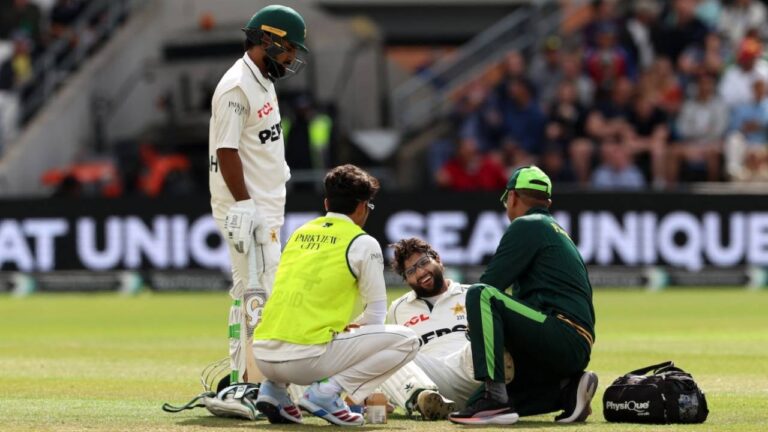
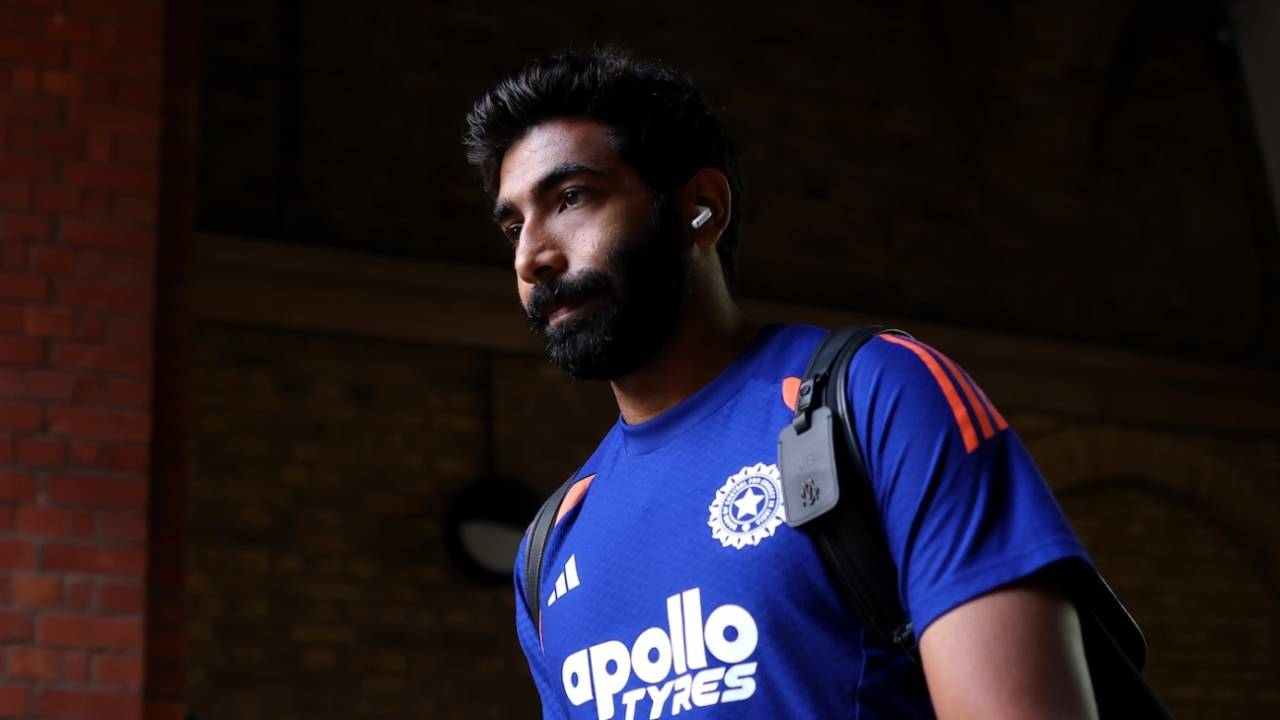
The Lord’s decider saw a depleted Indian side, missing key contributors from the original 15-man squad. The unavailability of Jasprit Bumrah due to an impact injury sustained in Cardiff, alongside hamstring issues for Washington Sundar and Harshit Rana, and a quadriceps injury for Nitish Kumar Reddy, left the team management scrambling. These repeated absences forced last-minute tactical changes that undermined the team’s overall stability.
Gill noted the strain this places on the think tank, stating, “If you look at the first squad we had announced, from that minimum five players did not play this match. If you keep the World Cup as the goal where we have to play 11 matches in a row, and here we have players not being able to finish a two-to-three-match series, there is a limitation.” He highlighted that the inability to maintain a consistent XI forces the team into unplanned combinations, which ultimately disrupts their rhythm on the field.
Defining the Risks of ‘80% Fitness’
The captain emphasized the danger of managing players who are not fully fit, particularly regarding the balance of the bowling attack. “Some player is 80% fit, you are playing with five bowlers and if this player comes out after bowling five overs, then who will bowl? This is difficult,” Gill explained. He urged a collective effort from both the players and the BCCI medical staff to prioritize long-term physical conditioning over short-term participation.
Analyzing the Lord’s Defeat
Beyond the fitness narrative, Gill reflected on the technical aspects of the loss at Lord’s. He acknowledged that the bowling unit, which he described as relatively inexperienced, failed to execute under pressure. The team leaked too many runs in the opening powerplay and struggled significantly in the final three overs, conceding 63 runs, which allowed England to post a formidable total of 390.
Regarding team selection, the inclusion of an extra fast bowler over a specialist spinner like Kuldeep Yadav was a calculated move to seek breakthroughs in the middle overs. However, the plan struggled to yield the desired results on a pitch that lacked the assistance required for spin-dominant strategies. Gill observed that while India was competitive for approximately 80% of the game, it was the “crunch moments” that ultimately dictated the outcome.
The Path to 2027
Despite the series defeat, Gill remains optimistic about the team’s trajectory, provided they can master the art of assessing conditions and maintaining player health. The takeaway is clear: success on the global stage requires more than just talent; it requires a durable, well-conditioned squad capable of sustaining intensity throughout long tournament campaigns. As India moves forward, the focus on fitness will be a pillar of their preparation for the challenges that lie ahead.
Ultimately, Gill’s assessment serves as a blunt reminder that at the highest level of cricket, the best ability is availability. The Indian management must now pivot toward a more rigorous approach to fitness to ensure that when the 2027 World Cup arrives, they are ready to field their best possible side without the disruption of recurring niggles.