ENG vs IND 2026: Three Unwanted Records India Registered After 125-Run Loss to E

Contents
A Disastrous Performance at Trent Bridge
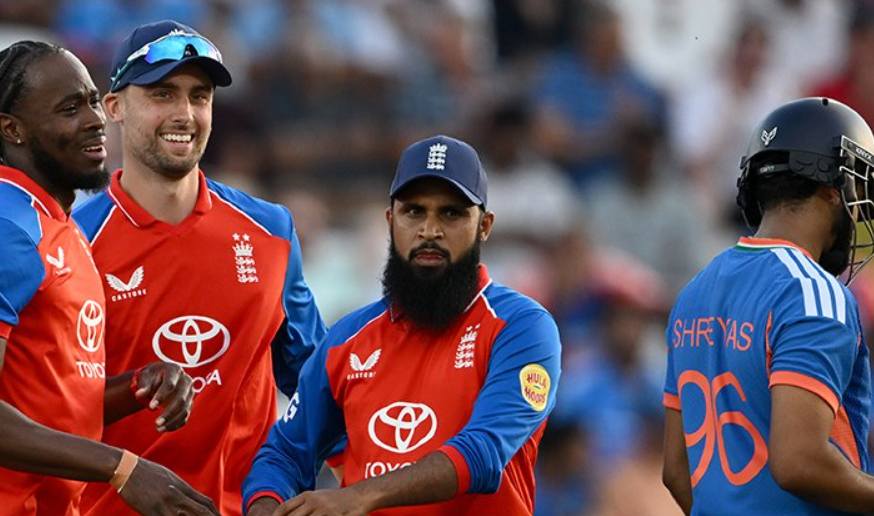
The cricketing world was left reeling on Wednesday as England delivered a masterclass in T20I cricket, dismantling India with clinical precision. The 125-run victory at Trent Bridge was more than just a win for the hosts; it was a statement of dominance that exposed significant cracks in the Indian setup. With the series now firmly in England’s control at 2-0, the Indian team finds itself at a critical juncture, struggling to find answers against a rampant English pace attack.
After the first match of the series was abandoned due to persistent rain, many expected a tight contest. However, England carried the momentum from their second-match victory into the third, leaving the visitors scrambling. Asked to chase a formidable target of 202, the Indian batting unit crumbled under the pressure of Josh Tongue and Jofra Archer, who showcased world-class bowling to skittle out the visitors for a mere 76 runs.
Understanding the ENG vs IND 2026: Three Unwanted Records India Registered After 125-Run Loss to E
This match will unfortunately be remembered for the wrong reasons. As the dust settles on this heavy defeat, it is crucial to look at the statistics that define this collapse. The ENG vs IND 2026: Three Unwanted Records India Registered After 125-Run Loss to E are indicative of a deeper struggle within the team’s T20I framework.
1. A Historic Winless Streak
Perhaps the most concerning aspect for the team management is the current lack of form. With this defeat, India’s winless streak in T20Is has stretched to five consecutive matches. This sequence, which includes previous losses against Ireland and England as well as the washed-out opener, marks the longest such stretch in the team’s history. Previous winless runs of four matches in 2009 and 2021 pale in comparison to the current drought, highlighting an urgent need for tactical reflection.
2. The Heaviest Defeat in Terms of Runs
The margin of defeat is a testament to the one-sided nature of the contest. The 125-run loss stands as India’s largest defeat by runs in the history of T20I cricket. To put this into perspective, their previous low point was an 80-run defeat against New Zealand in Wellington in 2019. England’s ability to post a commanding 201/7 and then defend it with such aggression left the Indian batters with no room to breathe.
3. The Second-Lowest All-Out Total
The final blow to the team’s morale was the batting collapse that saw them restricted to just 76 runs. This is the second-lowest all-out total for India in the format. The record for the lowest score remains the 74-run effort against Australia back in 2008. The lack of partnerships and the inability to handle the movement provided by the English pace battery were the primary reasons for this capitulation. No single batter could establish themselves at the crease, leading to a procession of wickets that halted any momentum early in the innings.
The Road Ahead: Searching for Solutions
The reality facing the Indian team is harsh: there is no room for further error. To salvage a draw in the five-match series, the team must secure victories in the remaining two encounters. The pressure is immense, and the psychological impact of these records cannot be understated. Moving forward, the focus must shift to stabilizing the batting order and refining the bowling strategy against an English side that is currently firing on all cylinders.
As the team prepares for the next phase of the series, the coaching staff will likely look to experiment with the lineup to find the right balance. Whether this is a momentary lapse in judgment or a sign of deeper structural issues, only time will tell. For now, Indian cricket fans are left hoping that the team can bounce back and regain their competitive edge before the series concludes.