More runs, longer games: CA eyes shift in Sheffield Shield for balanced cricket

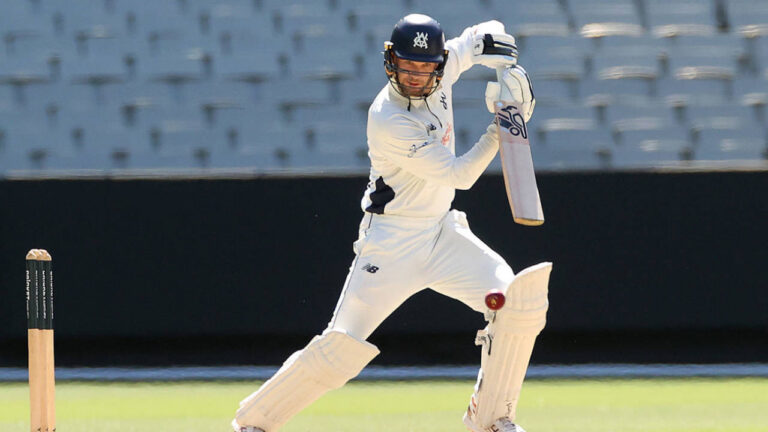
Cricket Australia (CA) is embarking on a strategic push to recalibrate the Sheffield Shield, Australia’s premier first-class competition. The overarching goal for the upcoming 2026-27 season is clear: to foster a more equitable contest between bat and ball, ultimately leading to longer, more compelling matches. Despite recent trends indicating a tilt towards bowlers, CA maintains unwavering confidence in the Shield’s fundamental role in sculpting players ready for the international arena.
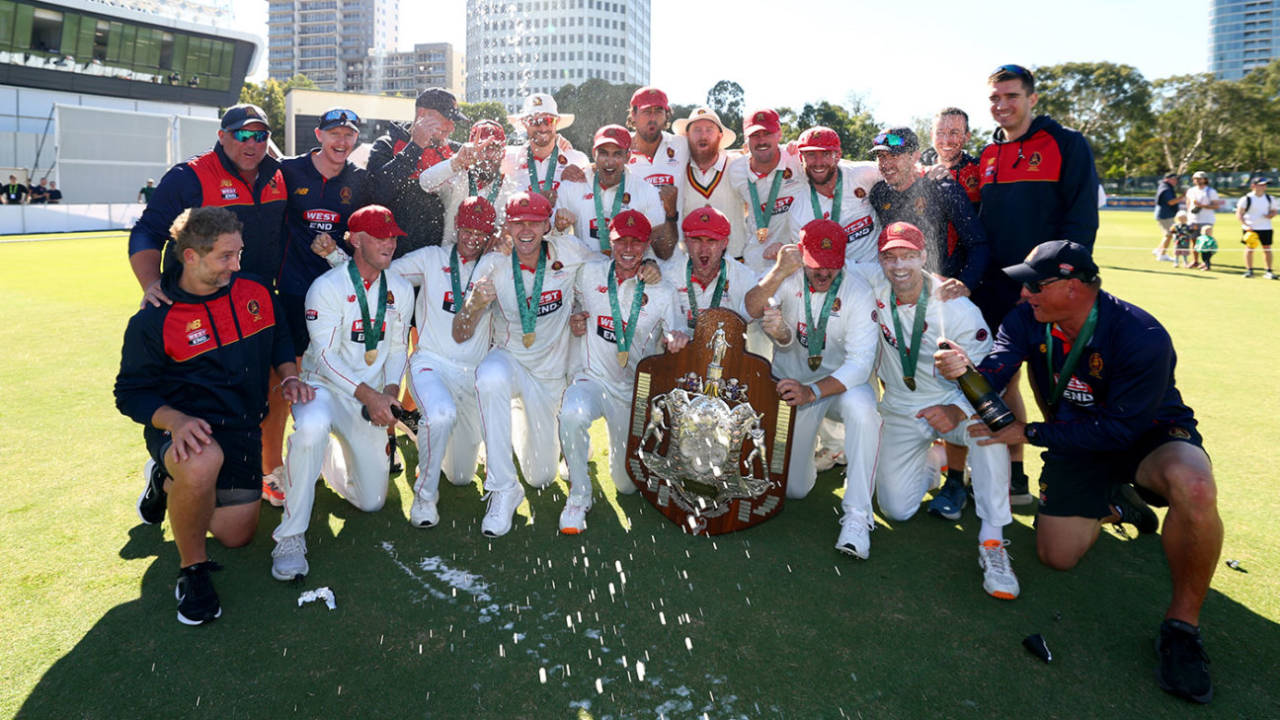
The highly anticipated 2026-27 men’s state fixtures were unveiled recently, promising an intriguing season ahead. The opening round will feature a captivating rematch between last season’s finalists, Victoria and South Australia, setting the stage at Junction Oval. South Australia, in particular, will be looking to etch their name in history by chasing a remarkable hat-trick of titles, adding an extra layer of excitement to the early encounters.
A significant shift in the scheduling sees an increased allocation of matches at Australia’s regular Test venues. This strategic decision aims to expose players to conditions mirroring those encountered at the highest level. Perth Stadium, for instance, will host only its second Shield game ever, marking its first in eight years, a testament to this renewed focus. The iconic Melbourne Cricket Ground (MCG) is slated to host three Shield fixtures, while South Australia will enjoy the advantage of playing all their home matches at the illustrious Adelaide Oval. These moves are designed not only to provide elite playing surfaces but also to allow curators at these key venues more opportunities to refine their first-class pitches, addressing some of the challenges observed in recent seasons.
Contents
Strategic Day-Night Fixtures and Pitch Performance Under the Microscope
Following the conclusion of the popular Big Bash League, the Sheffield Shield calendar will feature a dedicated round of floodlit matches. These crucial day-night encounters are scheduled at significant venues including the Gabba, the MCG, and Adelaide Oval, occurring approximately a month prior to the historic 150th anniversary Test match at the MCG, which will famously be played with the pink ball. While Australia’s primary Test squad will be engaged in a series in India during this period, these twilight games offer an invaluable opportunity for fringe players and those aspiring for national honours to gain vital experience under lights, a skill increasingly important in modern international cricket.
Interestingly, despite discussions around innovation, CA has confirmed there are no immediate plans to trial the use of pink balls for day games as a measure to counteract issues with bad light. This option is set to be introduced into Test cricket from October, provided both competing nations reach an agreement. This decision highlights a cautious approach, focusing the pink-ball experience specifically on the established day-night format.
The day-night fixture at the MCG, in particular, carries significant weight, not just for the players but for the venue itself. The upcoming season places the MCG’s pitches squarely under the spotlight, a direct consequence of the widely criticised two-day Ashes Test played there last summer. During that infamous match, the surface prepared by curator Matt Page received an “unsatisfactory” rating from the International Cricket Council (ICC), a rare and concerning assessment for such a prestigious ground. For Cricket Australia, any recurrence of such a rating would be a profound cause for alarm, potentially impacting the venue’s reputation and its ability to host major international fixtures.
The two additional Shield matches slated for the MCG before the highly anticipated Boxing Day Test against New Zealand are therefore more than just games; they are crucial opportunities. They provide the ground staff with vital chances to fine-tune and perfect their first-class surfaces, demonstrating their ability to produce pitches that offer a fair contest and withstand the rigours of multi-day cricket. This emphasis on giving curators at major venues ample time and opportunity to hone their craft is seen as a distinct advantage, a proactive step towards ensuring high-quality playing conditions across the board.
Addressing the Bat-Ball Imbalance: Insights from Last Season’s Statistics
A broader analysis of last season’s first-class cricket statistics provides a clear picture of the prevailing bat-ball imbalance that Cricket Australia is keen to address. Bowlers demonstrably held the upper hand, leading to a collective batting average of just 26.01 across the Shield – a figure that stands as the second-lowest in the last two decades. This dominance was further underscored by the paltry number of centuries recorded, with only 34 tons scored throughout the season, the fewest since the 2012-13 campaign. These statistics paint a compelling narrative of challenging conditions for batsmen and a clear need for pitches that offer more assistance to the willow.
Furthermore, the previous season saw a significant reduction in the deployment of spin bowling, with 420 fewer overs bowled compared to the preceding year. Despite this decreased workload, the impact of spinners was undeniable. They boasted an average of 33.16, remarkably the lowest figure for spin bowlers in the last 20 seasons of the Shield. This suggests that when spin was introduced, it was often effective, challenging batsmen even on surfaces that might not have been traditionally spin-friendly.
However, the role of spin at the Test level presented a contrasting and concerning trend. During the high-stakes Ashes series, spin was conspicuously sidelined. Following the unfortunate injury to Nathan Lyon, Australia opted not to play a specialist spinner, highlighting a potential disconnect between domestic performance and international selection strategies. Even prior to his injury, Lyon himself had been omitted from the day-night Test match at the Gabba, further emphasising the challenges faced by spinners in securing regular berths, particularly in conditions not traditionally conducive to turn.
Cricket Australia’s Dialogue with Curators: Striving for Balance
Peter Roach, Cricket Australia’s head of scheduling and domestic cricket, shed light on the organisation’s approach to pitch management, emphasising a collaborative rather than dictatorial stance. “While we do not directly manage or employ curators,” Roach explained, “we undeniably have a vested interest in the quality and type of outcomes their surfaces provide.” This underscores CA’s recognition of the independent expertise of ground staff while highlighting the shared vision for the game’s future.
Roach articulated the common objectives shared by CA and the nation’s curators: “Our goals are very much aligned. We all aspire to see a healthy balance between bat and ball, and crucially, we want to see games extend to a reasonable duration.” He pointed to the concerning trend of matches concluding prematurely – often in just two or two-and-a-half days – as a significant driver for these discussions. The overall reduction in runs scored and the noticeable decrease in spin overs bowled across a full season are key metrics that CA actively monitors and discusses with stakeholders nationwide.
The challenges faced by groundstaff are not underestimated by CA. Roach acknowledged that the intense demand placed on certain venues, which often host a multitude of sporting and non-sporting events, can significantly complicate pitch preparation. Furthermore, the inherent desire for teams to secure results, particularly in a highly competitive environment like the Sheffield Shield, has sometimes led to surfaces being prepared with an initial zest that heavily favours bowlers, inadvertently accelerating the game’s pace.
“The pace of games, both domestically and internationally, has genuinely picked up in recent years,” Roach observed, reflecting on the rapid conclusions witnessed. However, he expressed optimism regarding the curators’ ability to adapt. “We believe curators will adjust. While overall statistics last year showed a decrease in runs and spin overs, it wasn’t a universal trend across every venue. We actually observed improvements at some grounds, particularly at our major venues.”
CA plans to engage with curators in a general capacity, but also to have more specific conversations with those at particular venues where certain trends have become more pronounced. “We’ll be highlighting a few specific trends we’re observing,” Roach affirmed. “We are genuinely confident that they will respond positively, as they always do, striving not just game-to-game but season-to-season, to achieve the optimal balance we all desire for Australian first-class cricket.” This collaborative dialogue is central to CA’s strategy for fostering a more balanced and engaging Sheffield Shield.
Continuity in Playing Conditions and Points System
Despite the strategic push for balanced pitches, Cricket Australia has confirmed that there will be no significant alterations to the existing points system or playing conditions for the upcoming Sheffield Shield season. CA conducted a thorough, “in-depth” review of how bonus points functioned last year, ultimately concluding that the current structure remains fit for purpose.
Peter Roach conveyed the collective sentiment from both the national teams and state associations, stating, “The consensus is that the points system continues to effectively achieve its objectives.” This indicates a belief that the system adequately rewards performance and encourages competitive cricket without necessitating immediate changes. Furthermore, Roach reiterated CA’s confidence in the competition’s core function, asserting, “We firmly believe that our current Shield cricket is doing an excellent job of preparing players for the demands of Test cricket.” This steadfast confidence underscores CA’s view that while pitch conditions require attention, the fundamental framework of the competition is robust.
Season Start, Final Logistics, and New Milestones
The Sheffield Shield season will commence with a compelling replay of last year’s final, a fixture made possible by a fortunate draw rather than a pre-determined policy. Peter Roach clarified, “This isn’t a pattern we intend to replicate annually, but it’s certainly a pleasing outcome when the schedule allows it.” This fortunate alignment promises an immediate high-stakes encounter to kick off the first-class summer.
Looking ahead to the climax of the season, a potential logistical challenge looms for the 2026-27 Shield final. Scheduled to run from March 25-29 over the Easter weekend, there’s a possibility of a clash with the Melbourne Grand Prix or its preparatory phases, particularly if Victoria earns the right to host the final. Cricket Australia is fully cognizant of this potential conflict and is closely monitoring the situation. The organisation is awaiting the official confirmation of the Grand Prix dates before delving into potential contingencies, which could include the contentious option of relocating the final to a neutral venue.
Preceding the Shield, the men’s domestic season will officially get underway on September 18 with the One-Day Cup, where New South Wales will be defending their championship title. The early rounds of this white-ball competition will also feature a significant milestone: the first professional cricket match to be played under Junction Oval’s newly installed floodlights. This historic occasion will see Victoria host New South Wales on September 25, coinciding with a local public holiday on the eve of the AFL Grand Final, promising a festive atmosphere for this pioneering fixture.