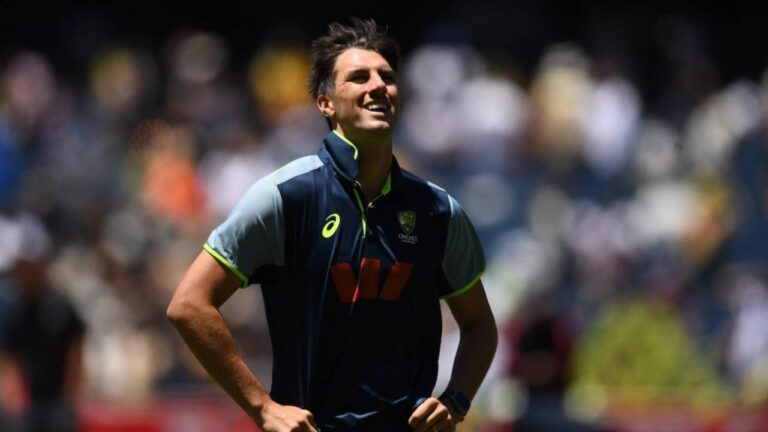
‘Not embarrassing, but depressing’ – Shreyas rues series loss against Ireland: India’s Captain Reflects
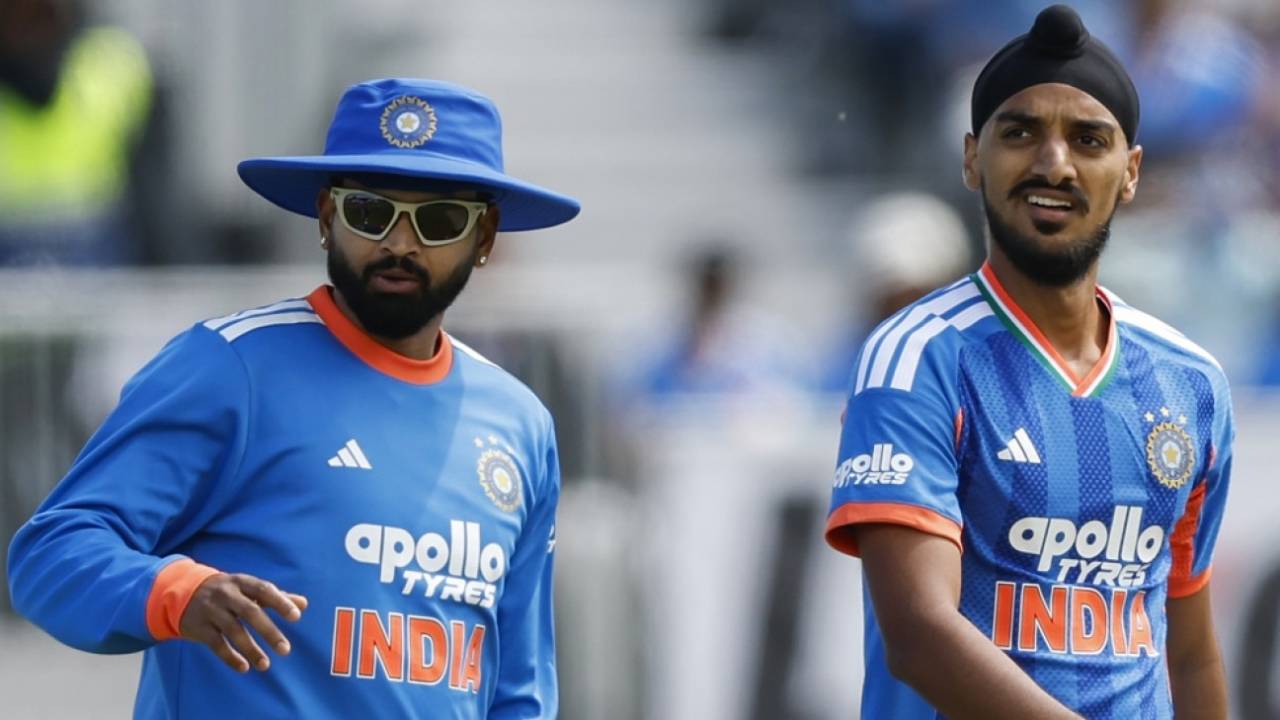
The cricketing world was taken aback when India’s formidable T20I squad, under the captaincy of Shreyas Iyer, suffered a 2-0 series defeat against Ireland. This unexpected outcome not only ended India’s impressive 16-series unbeaten streak but also sparked considerable discussion regarding the team’s preparation and strategic approach. The streak had seen India achieve the unprecedented feat of successfully defending the T20 World Cup title, losing only one match across two tournaments during this dominant run. The series loss against Ireland has inevitably brought Shreyas Iyer, who returned to the side directly as captain after a 63-match absence, under intense scrutiny.
Contents
The Upset: ‘Not Embarrassing, But Depressing’
Reflecting on the surprising turn of events, Shreyas Iyer offered a candid assessment on the eve of India’s five-match T20I series against England, set to commence in Durham. “It wasn’t embarrassing, but it was depressing for us because we definitely didn’t expect Ireland to play that well,” Iyer stated, acknowledging the superior performance of their opponents. He further elaborated on Ireland’s dominance, noting, “They outplayed us in every department. They had brilliant ideas about the dimensions of the ground, and we fell short in terms of analysing and planning. The ground and the dimensions and how the wicket would play… So kudos to them, credit to them, but we learned a lot from that series.” This admission highlights a crucial learning curve for the Indian side, emphasizing the need for meticulous preparation regardless of the opponent’s stature.
Tactical Shortcomings and Ground Dimensions
A significant factor contributing to India’s defeat, as identified by Iyer, was their inability to adapt to and effectively utilize the unique ground dimensions in Belfast. Ireland, on the other hand, masterfully exploited these conditions, particularly the short straight boundary, denying India any strategic advantage. Statistical analysis from the series reveals Ireland outscored India in the ‘V’ (the area straight down the ground) by 23 and 33 runs in the two matches, respectively. The second match was particularly telling, as it took India 18 overs to hit their first six, underscoring their struggle to find boundaries and accelerate scoring in those specific conditions.
Beyond the tactical aspect, Iyer also pointed to the challenges of acclimatization to irregular conditions. While some Indian players have prior experience in England, the conditions in Belfast presented a distinct unknown. “Belfast, we played after so many years. It’s not a reason, but I’m just saying that turning up over there and then not getting acclimatised to the wicket, to the conditions, we fell a bit short in terms of reading the outfield and getting accustomed to the conditions over there,” Iyer explained. This lack of familiarity with the playing surface and its nuances proved detrimental to India’s performance.
Adapting to Different Venues
Iyer drew a sharp contrast between the Belfast venue and the more conventional stadiums India is accustomed to playing in, particularly those from the Indian Premier League (IPL). “I feel it’s completely different here because the Belfast ground definitely wasn’t a stadium, and the outfield was a bit slow and it wasn’t even and the dimensions were also a bit squarish. So cutting the angles, cutting the doubles, especially when you’re fielding in the outfield, the angles… Also as a captain, like for me, setting the field felt a bit outlandish because we are not used to it,” he articulated. The uniform, perfectly even grounds of the IPL, while offering a consistent playing environment, perhaps left the team less prepared for the irregularities encountered in Belfast.
Looking ahead to the England series, Iyer expressed a more confident outlook. “And over here also, I mean the dimensions are pretty much similar, but the ground is flat and you feel the vibe, you feel the stadium vibe, the crowd would be intense as well. We’ve played in such conditions, such situations before,” he noted. This suggests a greater sense of familiarity and readiness for the upcoming challenge, anticipating a more conventional cricketing experience compared to the one in Ireland.
Captaincy and Personal Form
Returning to the squad directly into the captain’s role after a significant layoff can naturally raise questions about individual performance and pressure. However, Shreyas Iyer dismissed any notion of feeling extra pressure making his comeback as captain. “Not at all,” he asserted when queried on the matter. “The way I’m timing the ball in the nets, even in the match in the previous game, I thought I was timing brilliantly. The odd ball bounced and took the inside edge. That doesn’t justify how my batting is or how much pressure I’m taking, and I definitely believe in my instincts. I know how well I play under pressure, so I just want to keep that faith in me and go forward in the upcoming matches.” This statement underscores Iyer’s self-belief and confidence in his current batting form, suggesting that the series loss against Ireland has not dampened his personal resolve.
As the Indian team gears up for the daunting challenge against England, the lessons learned from the series against Ireland will be crucial. Iyer’s honest appraisal of the tactical shortcomings and the challenges posed by unfamiliar conditions provides valuable insight. The focus will now be on how effectively India can apply these learnings and return to their winning ways against a top-tier opponent, with their captain leading from the front with renewed determination.