Ben Stokes gives Harry Brook ‘100% support’ as successor for England Test Captaincy

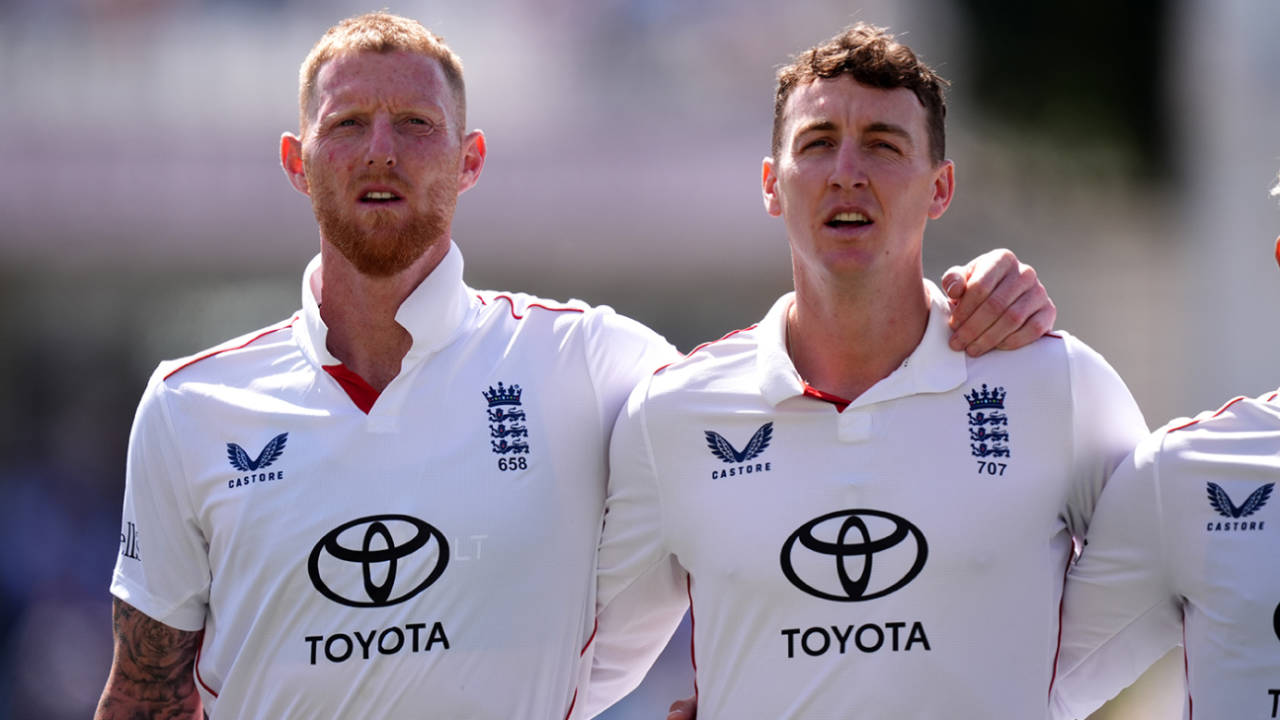
Ben Stokes, the influential figure of England’s Test cricket, has unequivocally thrown his weight behind Harry Brook as his successor for the captaincy, publicly pledging his “100% support” for the dynamic young talent. This endorsement comes amidst growing speculation regarding the future leadership of the Test squad, especially following recent events that saw a former captain step into the role.
Contents
The Unexpected Leadership Shift at The Oval
Brook, who already holds the vice-captaincy for the white-ball teams and has demonstrated significant leadership potential, was notably overlooked for the Test captaincy during Stokes’ absence. When Stokes missed the recent second Test at The Oval due to disciplinary reasons, the leadership mantle surprisingly fell to his predecessor, Joe Root. This marked Root’s first stint as captain in over four years, a period that ultimately concluded with England suffering a comprehensive defeat. This decision raised questions among followers of English cricket, particularly given Brook’s designated role as vice-captain and his established leadership within the shorter formats.
England Management’s Stance on Multi-Format Captaincy
Sources close to the England camp suggest that the management holds reservations about burdening a single player with the captaincy across all three formats of the game – Test, One-Day International, and Twenty20. This strategic consideration implies that if Harry Brook were to be elevated to the Test captaincy, he might be required to relinquish his leadership duties in at least one of the white-ball formats. Such a move would open up opportunities for other promising players, with names like Sam Curran and Jacob Bethell being mooted as potential contenders to succeed him in the shorter forms of the game. This approach underscores a proactive effort to manage player workload and ensure optimal performance across all formats.
Stokes’ Unwavering Support for Brook
Elaborating on his decision to back Brook, Stokes emphasized the foundational logic behind Brook’s appointment as vice-captain. “There’s a reason why he was asked to be vice-captain of this team,” Stokes stated, clarifying his distance from the decisions made during his recent unavailability. “I know that with all the controversy over the last couple of weeks, there were some decisions that were made [Root leading the team], but those were decisions that I wasn’t part of making.”
He further expounded on the natural progression of leadership, drawing a parallel to his own journey. “You’re asked to be vice captain of the team for a certain reason. I was vice captain under Joe for a long time and it’s a natural progression. If the captain’s not there or unavailable, then he had to do that. So there’s absolutely no reason why Harry shouldn’t [do it],” Stokes asserted confidently.
He highlighted Brook’s attributes beyond just his vice-captaincy. “He’s someone who’s obviously an incredible player, one of the more senior players in this group, but we all know he’s a phenomenally talented individual when it comes to his skills as a batter.” Stokes also speculated on the potential positive impact of added responsibility. “And if you love a bit more responsibility on the shoulders with this team, we don’t know if that’s going to show any more improvement in the skills that he’s already got.”
Concluding his strong endorsement, Stokes left no room for doubt: “Only time will tell, but you don’t ask someone to be vice captain if you don’t think that they’ve got the skills and the ability to be able to captain the team when they need to. So if I was to be asked who I think should do it, I’m throwing my 100% support behind Harry Brook.” This comprehensive statement reflects Stokes’ deep trust in Brook’s capabilities and his vision for the future of English Test cricket leadership.
McCullum’s Measured Approach to Succession
While Harry Brook has forged a strong and productive working relationship with Brendon McCullum, England’s head coach, since assuming the white-ball captaincy from Jos Buttler last year, McCullum has indicated that there will be no hasty decisions regarding Stokes’ successor. Speaking during his post-match media interactions at Trent Bridge, McCullum shared his cautious approach. “Those are the conversations we need to have in due course,” McCullum told Sky Sports. “We’ve got a few weeks longer than that before the next Test series, and we’ll have a good opportunity to be able to sit down and start to map out what that looks like.”
He acknowledged the depth of leadership within the squad. “The good thing is, we’ve got some good, strong leaders within the side, and we’ve got some options to be able to be able to utilize.” McCullum also touched upon the unique leadership style of Stokes, recognizing the challenge of finding a direct replacement. “They won’t be Ben Stokes, because Ben Stokes is very much his own type of leader, which we all adored, and it will need to be some work put in there, but that’s just the nature of things.” He concluded with a philosophical note on the transient nature of leadership: “No one can play forever, no one can captain forever, we want to celebrate Stokes’s time as our captain, his career, and then in time we’ll start to think about those decisions.” This measured stance suggests a thorough process will be undertaken to ensure the right leader is chosen for the long term.
Root Avoids Direct Answer on Captaincy Return
Former captain Joe Root, who led England for the 65th time at The Oval, was also queried by Sky Sports about a potential return to the full-time captaincy. However, Root tactfully sidestepped a direct answer, choosing instead to focus on the immediate celebration of Stokes’ career. “I’m going to enjoy celebrating Ben’s career over the next couple of days with him and his loved ones, and focus purely on that,” Root stated. He added, “I think today should be all about him and everything that he’s achieved and done for English cricket.” This response indicates his immediate priority lies in honoring his friend and teammate, rather than engaging in leadership succession discussions.