Should Virat Kohli and Rohit Sharma Play the 2027 World Cup? Shikhar Dhawan Weighs In

Contents
The Great Debate: Experience vs. Youth for 2027
With the IPL 2026 currently in full swing, the atmosphere in Indian cricket is electric. However, while the current T20 spectacle captures the headlines, seasoned fans and analysts are already casting their eyes toward one of the most prestigious events in the sporting calendar: the ICC Men’s ODI Cricket World Cup 2027.
As a new wave of young, explosive talent continues to emerge from the domestic circuit and the IPL, a heated discussion has ignited regarding the role of India’s most iconic senior players, Virat Kohli and Rohit Sharma. The central question is simple yet complex: Should these two legends be part of the plans for a tournament that is still some time away, or is it time to transition fully to the next generation?
The Stage is Set for 2027
Before diving into the personnel, it is important to understand the scale of the upcoming challenge. The 2027 edition of the ODI World Cup is set to be a massive affair, hosted across South Africa, Zimbabwe, and Namibia. This will be a significant logistical and athletic undertaking, featuring 14 teams competing across 54 matches.
Interestingly, this marks the second time South Africa and Zimbabwe will co-host the event (the first being in 2003), while Namibia will be making its debut as a World Cup host. The varied conditions across these three nations will require a squad that is not only physically fit but mentally resilient.
Shikhar Dhawan’s Verdict: Experience is Non-Negotiable
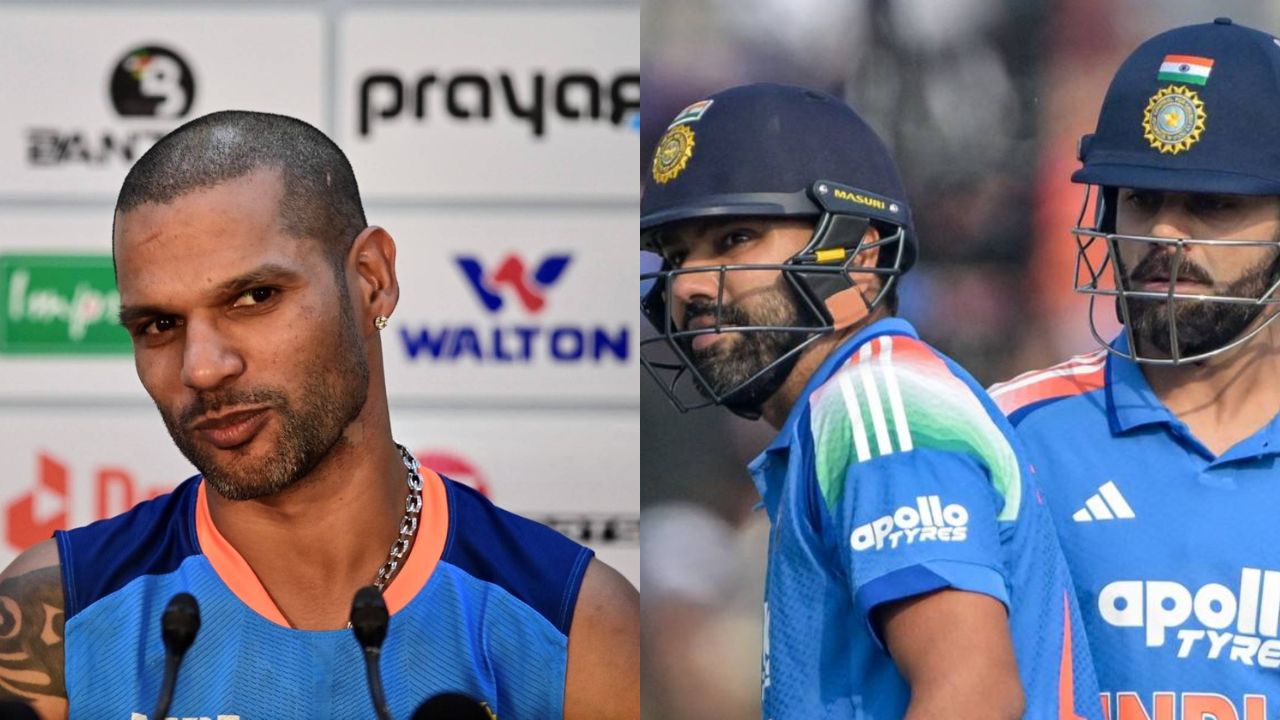
Entering this debate is former India opener Shikhar Dhawan, who hasn’t minced words about where he stands. While many are questioning the viability of including players in their late 30s and early 40s, Dhawan believes that the value of experience far outweighs the risks of age.
Dhawan argues that marquee tournaments like the World Cup are won not just with skill, but with composure and game awareness—traits that only come with years of playing under extreme pressure. He explicitly stated, “Kohli & Rohit can – and they should play. Rohit Sharma and Virat Kohli both are experienced – you need experience going into the ODI WC.”
According to Dhawan, having veterans who have seen every possible match situation is critical for a team aiming to lift the trophy, especially in the high-stakes environment of a global tournament.
The Reality Check: Age, Fitness, and Workload
Despite Dhawan’s optimism, the road to 2027 is paved with challenges. The physical demands of a 54-match tournament are grueling. By the time the first ball is bowled in 2027, Rohit Sharma will be in his 40s, and Virat Kohli will be in his late 30s.
The conversation is further complicated by the fact that both players retired from Test cricket earlier this year. While this reduces their overall workload, they are now playing fewer ODIs due to a shifting international calendar. This raises inevitable questions: Can they maintain the peak fitness required for a multi-nation tournament? How will the selectors manage their workload to ensure they don’t burn out before the final?
Analyzing the Numbers: Recent Form
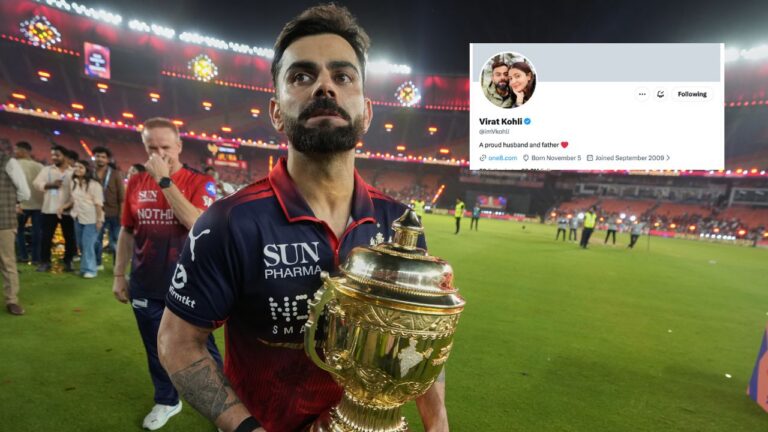
To determine if they still have the “fire,” we have to look at the statistics. Virat Kohli, in particular, has remained a model of consistency in the 50-over format.
Virat Kohli’s Dominance
Prior to the IPL 2026, Kohli was in devastating form during series against New Zealand and South Africa:
- Against New Zealand: In 3 innings, he amassed 240 runs, boasting an incredible average of 80.00 and a strike rate of 105.26.
- Against South Africa: He took it a step further, scoring 302 runs in 3 innings with a staggering average of 151 and a strike rate of 117.05.
Kohli’s current IPL 2026 form further validates this, as he has scored 351 runs in 8 innings at an average of 58.50 and a strike rate of 162.50.
Rohit Sharma’s Rollercoaster
Rohit’s recent trajectory has been more varied. While he struggled during the New Zealand series—managing only 61 runs in 3 innings (average 20.33)—he showed his class against South Africa, scoring 146 runs in 3 innings at an average of 48.67 and a strike rate of 110.61.
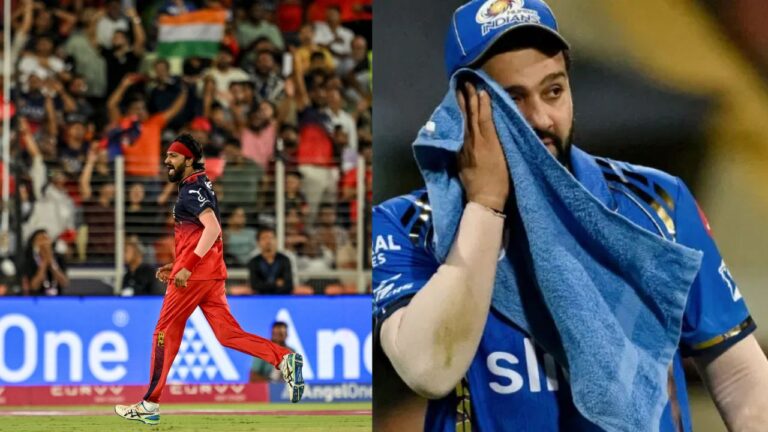
However, Rohit’s current situation is more precarious. In IPL 2026, he has played four innings, scoring 137 runs at an average of 34.25. More concerning is his health; Rohit has missed four matches after suffering a hamstring injury during Mumbai Indians’ game against Royal Challengers Bengaluru on April 12. His recovery and subsequent fitness levels will be the primary deciding factor for the selectors.
What Comes Next?
As the IPL concludes, all eyes will shift to the upcoming ODI series against Afghanistan. These matches will serve as a crucial litmus test for both Kohli and Rohit. For Rohit, it will be a test of his physical recovery; for Kohli, a chance to maintain his momentum.
Whether the selectors follow Shikhar Dhawan’s advice to prioritize experience or opt for a youthful revolution, one thing is certain: the legacy of Kohli and Rohit continues to shape the narrative of Indian cricket. The journey to 2027 has officially begun.