Sri Lanka Cricket Board Resigns Following Government Pressure

Contents
A New Chapter for Sri Lanka Cricket
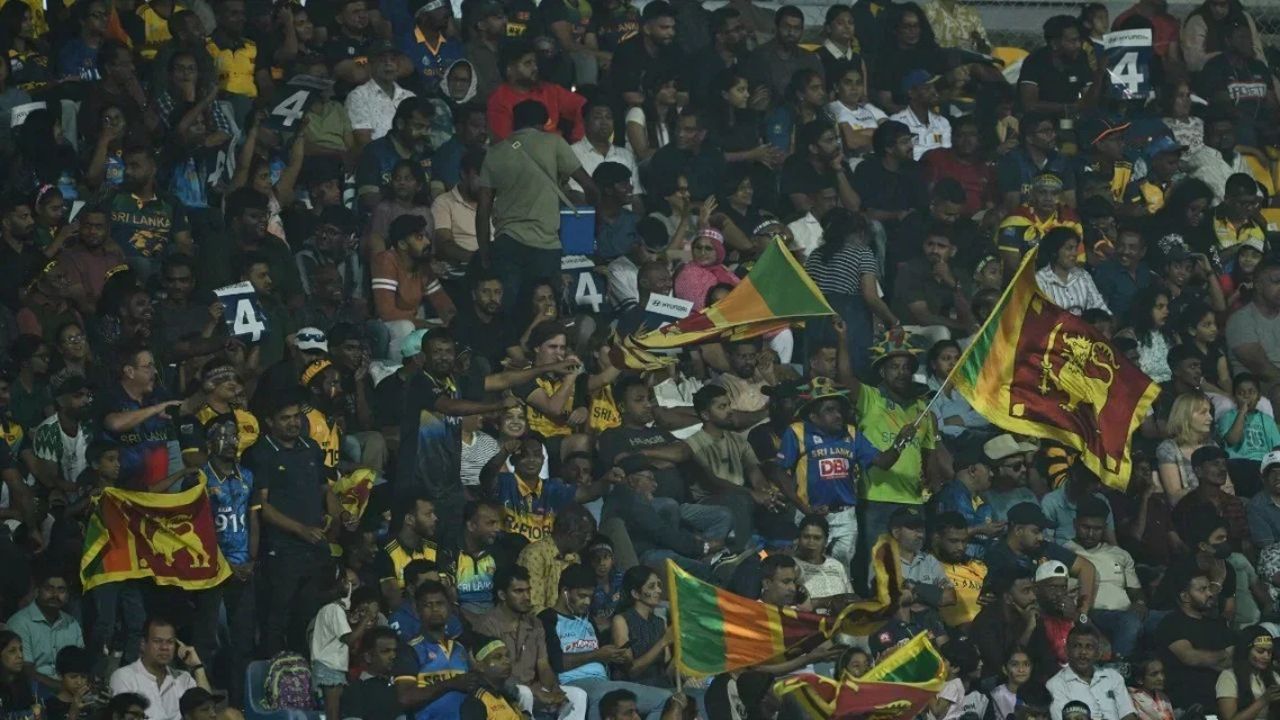
In a significant development that marks a major turning point for the sport in the nation, the leadership of Sri Lanka Cricket (SLC) has officially collapsed. Shammi Silva, who has been at the helm of the organization, stepped down on Tuesday, signaling an end to a tenure defined by both controversy and intense public scrutiny. This mass resignation, which occurred during a marathon three-hour executive committee meeting, effectively clears the path for a complete overhaul of the board’s administrative structure.
Government Pressure Forces a Fresh Start
The resignation follows direct and persistent pressure from the Sri Lankan government. President Anura Kumara Dissanayake had publicly called for a fresh start in cricket administration, responding to widespread public frustration regarding alleged mismanagement, lack of transparency, and poor governance within the organization. For weeks, the atmosphere surrounding SLC had grown increasingly toxic, with stakeholders and fans alike demanding accountability.
This push for change is not merely local; it reflects a broader desire to stabilize an organization that has struggled to maintain its reputation on the global stage. With Shammi Silva stepping aside, the government aims to establish a new framework that prioritizes professional oversight and ethical conduct.
Historical Context and Governance Challenges
The current turmoil is unfortunately reflective of ongoing governance struggles that have plagued Sri Lanka Cricket for years. The International Cricket Council (ICC) previously suspended the board in 2023, citing political interference—a clear warning of the perils of mixing government policy with sports administration. As the current administration navigates this transition, the government is reportedly in active communication with the ICC, led by Jay Shah, to ensure that the appointment of any interim committee or new leadership strictly adheres to international standards and avoids the risk of further sanctions.
Performance Struggles and Internal Friction
The administrative crisis has unfolded against a backdrop of poor performance on the field. The national team’s early elimination from the 2026 T20 World Cup served as a catalyst for public dissatisfaction, highlighting a disconnect between the board’s management and the team’s requirements. Beyond the results, internal issues have plagued the setup, including recurring disputes regarding player No-Objection Certificates (NOCs) and contentious fitness requirements. These factors created a culture of uncertainty that many experts believe hindered the players’ ability to perform at their peak.
Looking Ahead: The Road to Recovery
With the resignation letters slated to be submitted to Sports Minister Sunil Kumara Gamage, the immediate future of Sri Lanka Cricket will likely involve the formation of an interim committee. The goal is simple yet daunting: to restore stability and rebuild the trust of the stakeholders. Fans are hopeful that this reset will lead to better communication, improved player welfare policies, and a more structured approach to talent development.
The path forward will not be easy. As the nation watches, the focus will shift from the boardroom to the pitch, where the priority must return to the game itself. Whether this leadership change can truly cure the systemic issues that have hindered Sri Lanka Cricket remains to be seen, but for now, the slate has been wiped clean, offering a rare opportunity for growth and professionalization in one of the world’s most passionate cricket-loving nations.
Key Takeaways:
- Shammi Silva has officially resigned as the head of SLC.
- The entire executive committee stepped down following intense pressure from the government.
- President Anura Kumara Dissanayake initiated the push for administrative reform.
- The government is coordinating with the ICC to ensure a smooth, compliant transition.
- The move comes after disappointing performances in the 2026 T20 World Cup and internal player-board friction.