Shubman Gill Retires Hurt with Neck Injury in India’s First Test vs South Africa

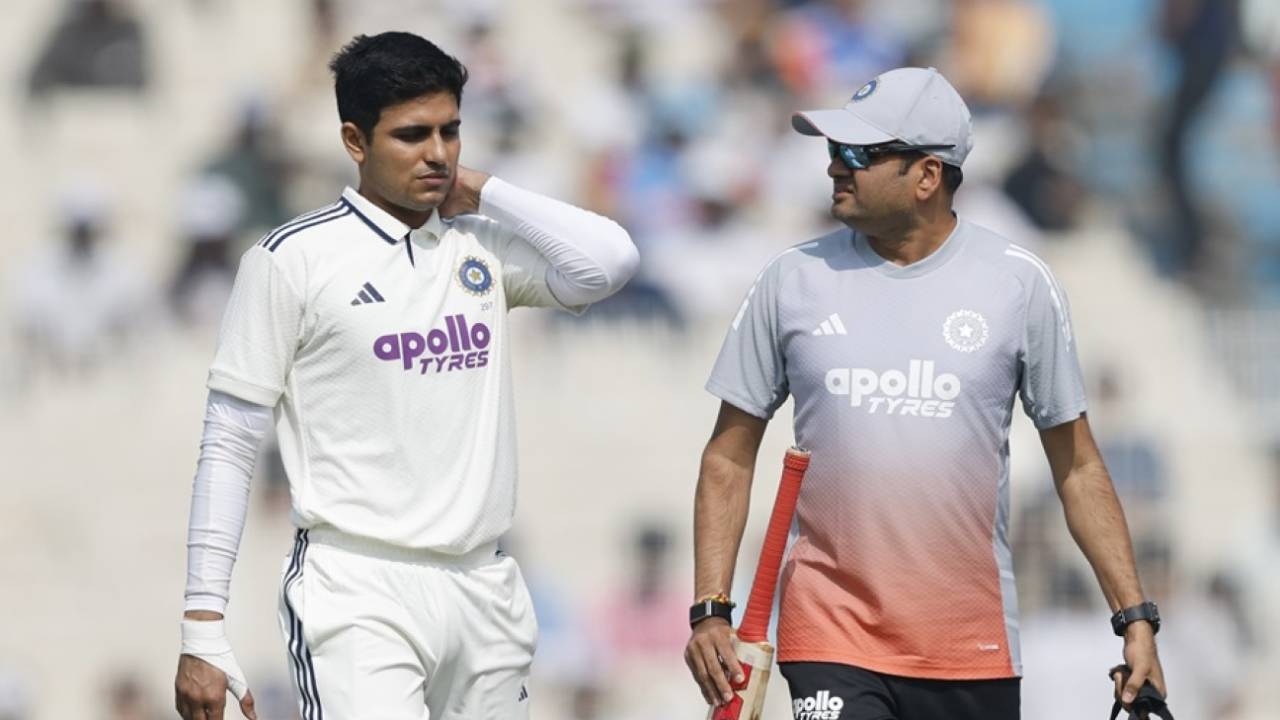
In a heartbreaking turn of events during the opening day of the first Test between India and South Africa at the iconic Eden Gardens in Kolkata, India’s promising youngster Shubman Gill was forced to retire hurt after merely three deliveries. A sudden neck spasm sent the 24‑year‑old batting sensation to the medical room, leaving the host side without one of its key run‑makers at a crucial juncture.
Contents
Early promise turned into sudden concern
India had begun their first innings on a solid footing, sitting comfortably at 75 for 2. Gill, slated at the pivotal No. 4 slot, faced South Africa’s fast bowler Simon Harmer. On the third ball of his spell, Gill unleashed a confident slog‑sweep, sending the ball over square leg for a four. The crowd applauded the aggressive stroke, but the celebration was short‑lived.
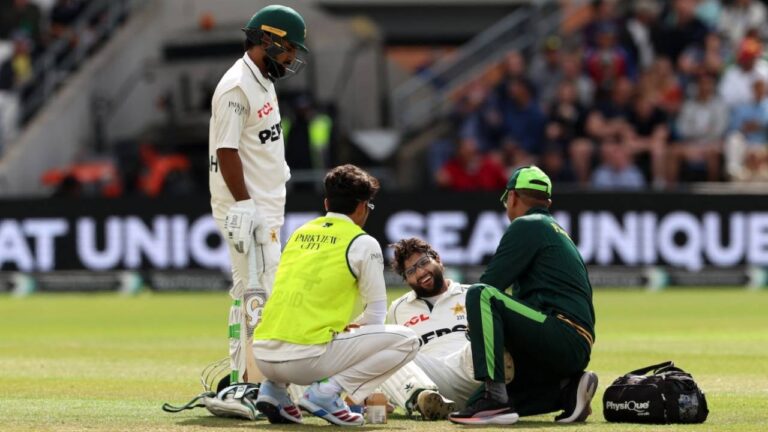
Immediately after the shot, Gill appeared to wince, removed his helmet, and began rubbing the back of his neck. The team’s physio rushed onto the field, and within moments it was evident that the discomfort was more than a fleeting twitch. Gill was instructed to retire hurt, marking a sudden and unwelcome interruption to India’s batting plan.
Medical assessment and immediate actions
The Board of Control for Cricket in India’s (BCCI) official statement confirmed that Gill was suffering from a neck spasm and was under close observation by the BCCI medical team. Later that evening, the young batsman, now sporting a supportive neck brace, was carefully stretchered out of the dressing room and taken in the team’s ambulance to Woodlands Hospital for further scans.
Because the injury is classified as an internal strain rather than an external trauma, cricket regulations may prevent Gill from returning to bat at his usual No. 4 position unless he fulfills the required fielding time during South Africa’s innings. This procedural nuance adds another layer of uncertainty for the Indian side, which was counting on Gill’s stability in the middle order.
Impact on the match and team dynamics
Gill’s premature exit forced Indian captain and coach to reshuffle the batting order on the fly. Veteran wicket‑keeper Rishabh Pant was summoned to replace Gill at the crease. As the lunch interval approached, India found themselves at 138 for 4, a precarious position that reflected the loss of momentum after the early setback.Post‑lunch, the South African bowlers seized the initiative. Simon Harmer, who had been the target of Gill’s earlier stroke, ripped through the Indian line‑up, finishing with figures of 4 for 30. Fellow pacer Marco Jansen also made his presence felt, claiming 3 for 35. The rapid succession of wickets underscored how Gill’s withdrawal had disrupted India’s batting rhythm and exposed a fragile middle order.
Coach Morne Morkel’s perspective
India’s bowling coach, former South African fast bowler Morne Morkel, offered a candid assessment after the day’s play. “Gill is a very fit guy, he looks after himself very well, so it’s just unfortunate this morning that he woke up with a stiff neck and that carried him into the day, which was crucial for us,” Morkel said. “Another sort of partnership with him batting around was going to be needed for us at the time and… just bad timing.”
Morkel’s comments highlight both the personal disappointment for Gill and the strategic blow to the team. The Indian side had been looking to build a sizable partnership around Gill’s calm and technically sound approach, especially after early wickets fell.
History of neck issues for Gill
This injury is not Gill’s first encounter with a stiff neck. Back in October of the previous year, the promising batsman was forced to miss the Test against New Zealand in Bengaluru due to a similar neck problem. The recurrence raises concerns about whether there is an underlying vulnerability that could affect his availability in upcoming series.
What lies ahead for India?
With Gill’s status uncertain, India will need to lean heavily on the experience of players like Pant, Virat Kohli, and the all‑round capabilities of Hardik Pandya to rebuild innings stability. The team’s medical staff will continue monitoring Gill’s condition closely, aiming for a swift and safe return.
From a broader series perspective, India holds a narrow lead of 30 runs after their first innings of 189. The upcoming South African batting effort will test the depth of India’s bowling attack, while the home side will scramble to post a competitive total without Gill’s contribution.
Conclusion: A test of resilience
Cricket, often called a game of glorious uncertainties, has once again reminded fans of its fragile balance between skill and circumstance. Shubman Gill’s early retirement hurt is a stark reminder of how quickly fortunes can change on the field. As India braces for the second innings, the team’s resilience and adaptability will be under the microscope. Fans and analysts alike will be watching closely, hoping for Gill’s speedy recovery and for the Indian side to navigate this challenge with the same composure that has defined their recent performances.
1300 GMT, Nov 15, 2025 Updated with Morne Morkel’s quote