Cricket Australia CEO Todd Greenberg Addresses BBL Privatisation Dispute

Contents
The Privatisation Puzzle: Greenberg Admits Communication Gaps
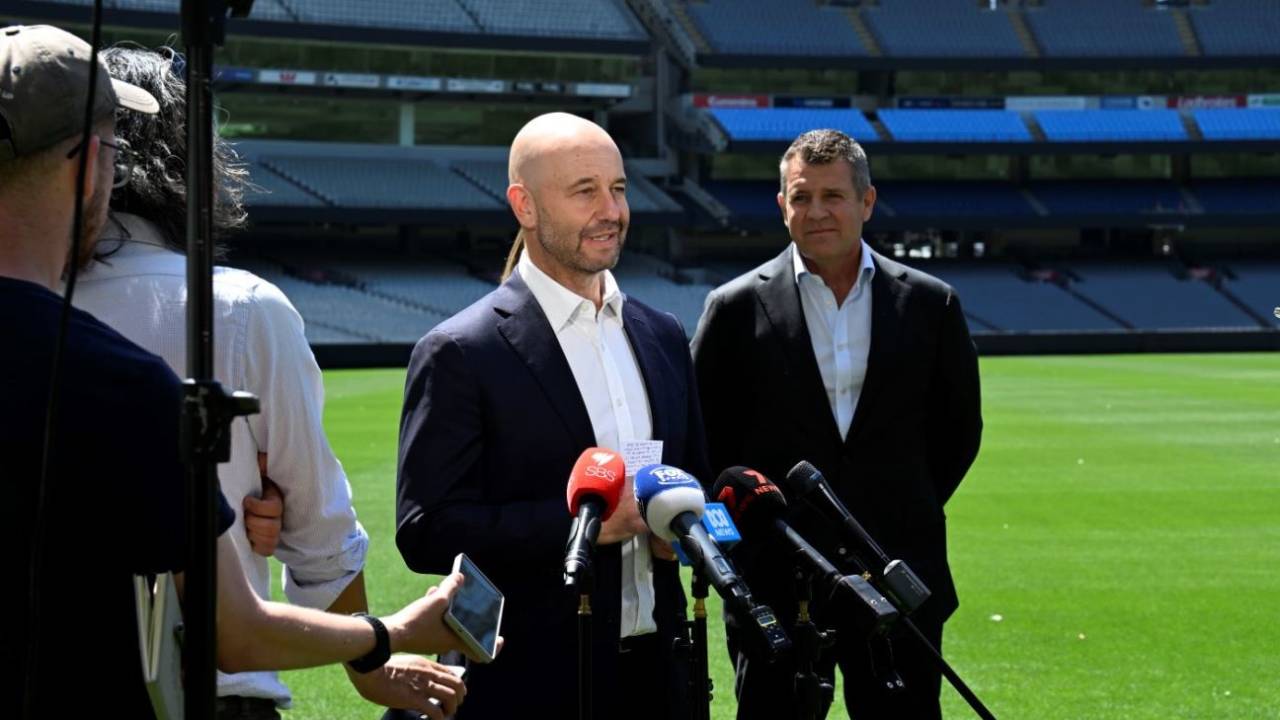
Cricket Australia (CA) finds itself at a critical crossroads as the organisation grapples with internal dissent over the proposed privatisation of the Big Bash League (BBL). In a candid admission, CA chief executive Todd Greenberg has conceded that the governing body failed to effectively articulate the rationale behind its privatisation strategy to the public and stakeholders alike. Amidst reports of high-level meetings between CA chair Mike Baird and Cricket New South Wales chair John Knox, the sport is facing a period of intense scrutiny and necessary, albeit difficult, debate.
Internal Divisions and State Stances
The push for private investment into the BBL has created a clear divide among Australia’s cricket states. While Victoria, Tasmania, and Western Australia are eager to explore market valuations for potential stakes in their teams, New South Wales and Queensland have voiced strong opposition. South Australia also remains hesitant, casting doubt on the universal support CA initially hoped for. Greenberg, who previously advocated for a unified front, now faces the reality of a fragmented landscape.
The meeting between Mike Baird and John Knox serves as a focal point for this dispute. NSW has expressed frustration regarding how their position has been portrayed in the media. Crucially, NSW is not against the core aim of increasing player remuneration; rather, they challenge the method. They have proposed an alternative, self-funded model focusing on optimising existing revenue streams, such as broadcasting rights, ticketing, and commercial partnerships, rather than diluting ownership through private equity.
The Human Element: Player Frustrations and Global Competition
Beyond the boardroom, the tension has trickled down to the playing ranks. With the gap between local BBL salaries and international T20 earnings widening, several prominent stars are questioning their futures. Recent reports of players rejecting initial contract offers highlight the growing restlessness regarding remuneration.
Todd Greenberg, drawing on his background as the former head of the Australian Cricketers’ Association, is acutely aware of the global landscape. With the rise of leagues like the ILT20, SA20, and the upcoming NZ20, Australia faces a genuine threat of brain drain if the BBL cannot remain competitive. Greenberg emphasised that the goal is to secure the December-January window as the premier period for T20 cricket, which requires a substantial increase in salary caps to retain domestic talent and attract elite overseas performers.
The Question of Loyalty in a Changing Market
A recurring theme in the discourse is the challenge of maintaining the traditional allure of Test cricket against the lucrative draw of T20 franchises. While Greenberg remains confident that current stars will continue to prioritise national duties—citing the upcoming two-Test series against Bangladesh—he is looking toward the future. The pivotal question remains: will the next generation share that same level of sacrifice when faced with potential earnings of half-a-million dollars elsewhere?
Greenberg remains optimistic about the dialogue between stakeholders, despite the public disagreements. He views the friction as a sign of a healthy, robust system where diverse perspectives can be debated. As Baird and Knox continue their discussions, the cricket community waits to see if a compromise can be reached that preserves the integrity of the domestic game while ensuring Australian cricket remains financially competitive on the world stage.
Looking Ahead
The path forward is undeniably complex. CA must navigate the demands of state boards, the financial realities of international cricket competition, and the necessity of transparent communication with fans. As the July 1 contract deadline approaches, all eyes will be on how CA balances these competing interests. While the debate over privatisation is far from over, the acknowledgement from leadership that the narrative needs improvement is a vital first step in restoring confidence in the strategic direction of Australian cricket.