Contents
A Tactical Decision in Lucknow
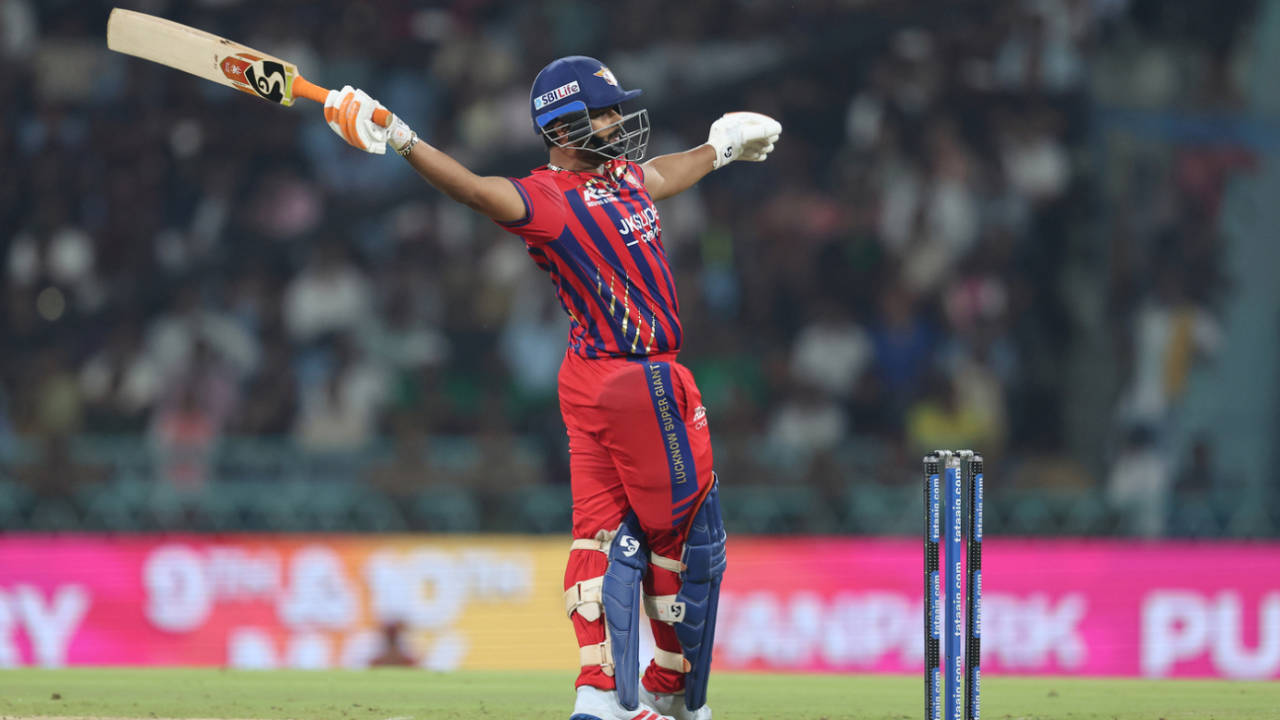
In the high-stakes environment of the IPL 2026, every decision made by a captain is scrutinized under a microscope. During a recent encounter between the Lucknow Super Giants (LSG) and the Chennai Super Kings (CSK), fans and pundits alike were left wondering why captain Rishabh Pant did not step onto the pitch, even after the team lost three wickets during their pursuit of a 188-run target.
As the chase progressed, LSG appeared to be cruising at 135 for 0 in the 12th over. However, the momentum shifted slightly when they lost three wickets in the span of just nine runs. Despite being fully padded up and ready in the dugout, Pant remained on the sidelines, sending in Nicholas Pooran at No. 3, followed by Abdul Samad and Mukul Choudhary to finish the job.
Prioritizing Team Development
After the match, which LSG won with seven wickets to spare, Pant offered clarity on his absence. The decision was not driven by injury or lack of form, but by a strategic choice to foster growth within the squad. Pant explained that the team management wanted to provide essential game time to players who had not seen much action throughout the tournament.
“I was in the dressing room,” Pant admitted during the post-match presentation. “The idea came in: why not try players who have not played much? They haven’t gotten many chances, and that was the idea. I was thinking again and again, should I do it or not, because I still wanted to be out there in the field. But you know, sometimes you have to respect the think tank.”
The Evolving Strategy of the Super Giants
Rishabh Pant’s role has been central to LSG’s batting identity this season. Having not batted lower than No. 4 in the 11 innings he has played, his presence is a staple of the middle order. His usage has been varied, with seven innings at No. 3, three at No. 4, and one as an opener.
LSG has also been noted for its experimental approach to the opening partnership. The team has rotated players frequently before settling on the duo of Mitchell Marsh and Josh Inglis, who recently provided a dominant 135-run start. Earlier in the season, the team experimented with Aiden Markram at the top of the order. This reliance on overseas talent in the top order was a deliberate design choice aimed at maximizing the powerplay, though consistency remained an issue due to injuries and fluctuating form.
Refining the Think Tank
Reflecting on the season’s broader tactical challenges, Pant spoke candidly about the difficulties of implementing a specific blueprint. While the goal was to capitalize on aggressive starts from overseas stars, the execution did not always align with the vision.
“That was the first thought: getting two overseas players to open the innings and Nicky (Pooran) batting at three,” Pant explained. “Sometimes it’s difficult when the thought process is not being implemented all the time. But at the same time, we take pride, and we are confident as a team.”
The captain acknowledged that the complexity of modern T20 strategy can sometimes be a double-edged sword. When asked about the frustrations of team performance versus strategic intent, Pant noted that the primary challenge for the squad is maintaining clarity. “The only thing I would say is it’s frustrating when you know what you have as a team, but just because of little thought processes here and there, you can’t implement things the way you want. The only thing that can harm us is having too many thought processes.”
By stepping back, Pant demonstrated a willingness to value long-term squad depth over personal time in the middle. Whether this gamble pays off in the final stages of the tournament remains to be seen, but it highlights a captain who is actively looking to build a more resilient and versatile unit.