Lord’s pitch rated as ‘unsatisfactory’ following England’s first Test win


Contents
An Unprecedented Sanction for the Home of Cricket
The global cricketing community is buzzing after the International Cricket Council (ICC) handed down a rare verdict regarding the surface used for the first Test between England and New Zealand at Lord’s. In a landmark decision, the venue received one demerit point under the ICC’s pitch and outfield monitoring process, with the Lord’s pitch rated as ‘unsatisfactory’ following England’s first Test win. This marks the first time in the history of the sport’s most famous venue that such a sanction has been applied.
A Match Defined by Ball Dominance
While England secured an impressive 115-run victory, the match itself was anything but a standard five-day Test. Despite persistent rain interruptions that plagued the fixture, the game concluded on the fourth morning, making it the shortest completed Test match at Lord’s in nearly 140 years. The sheer pace of the game was startling, with all 40 wickets falling within a mere 996 balls.
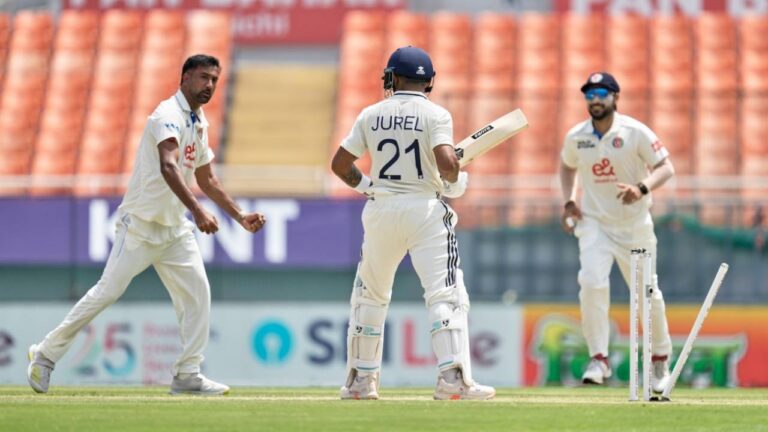
The statistical breakdown of the dismissals paints a clear picture of the surface’s behavior. An incredible 24 of the 40 wickets were either bowled or lbw, highlighting the assistance provided to the bowlers. ICC match referee Andy Pycroft noted that there was an extreme imbalance between bat and ball. He highlighted that the pitch exhibited excessive seam movement throughout the match, combined with dangerous, variable bounce that kept the ball extremely low, creating a hazardous environment for the batters.
Accountability from the MCC
The Marylebone Cricket Club (MCC), which owns and operates Lord’s, has taken full responsibility for the state of the surface. Chief Executive Rob Lawson expressed clear frustration, admitting that the playing surface did not meet the high standards expected of the historic ground. Lawson explained that a combination of unseasonably hot weather in May, followed by difficult rain patterns in the lead-up to the Test, created significant challenges for head groundsman Karl McDermott and his team.
Despite recent efforts to improve the pitches, including winter renovations and relaying the outfield, it is evident that the result was suboptimal. The MCC has been given 14 days to appeal the ICC sanction, though the administration seems prepared to accept the findings as part of a commitment to long-term improvements.
The Broader Impact on Test Cricket
England captain Ben Stokes voiced his concerns regarding the nature of the pitch, emphasizing that the health of Test cricket relies on balanced conditions. While acknowledging that the challenging surface provided a test for the players, Stokes warned that such extreme conditions do not support the longevity or the reputation of the five-day format. He argued that when matches finish prematurely due to the surface rather than skillful play, it undermines the narrative that Test cricket requires skill, patience, and endurance.
“As someone who believes Test cricket should never disappear, that early finish is not ideal,” Stokes remarked. He noted that while it is the responsibility of players to adapt, the production of such surfaces is a hurdle for the future of the game. New Zealand captain Tom Latham echoed these sentiments, labeling the premature end to the Test as an unfortunate turn of events for both teams and the spectators.
Financial Implications for Spectators
The impact of the sub-par surface extended to the fans as well. Due to the rapid pace of the match and the disruption caused by weather, ticket-holders were affected by the lack of play. On the third day, fans were granted full refunds after only 58 legitimate balls were bowled. Furthermore, those holding tickets for the final day received 50% refunds as the match concluded well before the scheduled close of play.
A Wider Trend in Pitch Standards
The scrutiny of international pitches is becoming increasingly rigorous. In a parallel development, the Gadaffi Stadium in Lahore was also hit with an ‘unsatisfactory’ rating following the third ODI between Pakistan and Australia. Match referee Graeme Labrooy cited ‘slow and low’ conditions and excessive assistance for spin bowlers as the primary reasons for the sanction. As the ICC continues to monitor surfaces globally, the message to host boards is clear: the balance between bat and ball remains the cornerstone of professional cricket, and venues must strive to provide pitches that allow for fair and competitive play throughout the duration of a match.