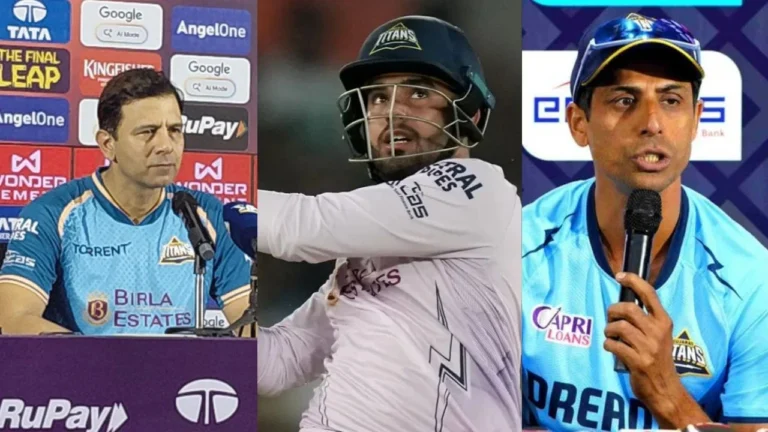
Delhi Capitals Ownership Shake-up: GMR Proposes Shift in Strategy After IPL 2026 Struggles
Contents
A Franchise at the Crossroads
The Delhi Capitals (DC) are currently navigating a turbulent period in their history. With the Indian Premier League 2026 (IPL 2026) campaign nearing its business end, the franchise finds itself in a precarious position, having succumbed to defeat in six of their ten matches. As the dream of reaching the playoffs slips away, the scrutiny has shifted from the pitch to the boardroom, where the dual ownership structure of the Delhi-based franchise is under intense review.
The Ownership Dilemma: GMR vs. Jindal
Since the inception of the IPL, the Delhi Capitals have been co-owned by the GMR Group and the Jindal Group. The two conglomerates have operated under a unique arrangement, rotating the management of the team every two years. While this model was designed to offer shared responsibility, critics—and now the owners themselves—suggest that it has fostered a lack of continuity. A two-year window is often too short to implement a long-term vision, leading to inconsistent strategies and fluctuating on-field performances.
Recent reports suggest that the GMR Group is pushing for a structural change. They have proposed extending the management cycle from two years to three years. The primary objective behind this shift is to provide one group with sufficient time to build a cohesive team culture and execute strategic plans without the looming pressure of an impending hand-off. This is particularly relevant in the era of the IPL mega auction, where long-term squad building is essential for sustained success.
Stability vs. Performance
The timing of this proposal is significant. While both owners are scheduled to meet after the conclusion of IPL 2026 to discuss the new direction, the historical data presents an interesting narrative. The franchise has notably seen better results under the Jindal Group’s tenure, with the team making multiple playoff appearances. Conversely, the recent struggles have occurred during a cycle led by GMR. By shifting to a three-year cycle, the owners hope to mitigate the instability that has plagued the team’s transition periods.
On-Field Struggles: The Case of Kuldeep Yadav
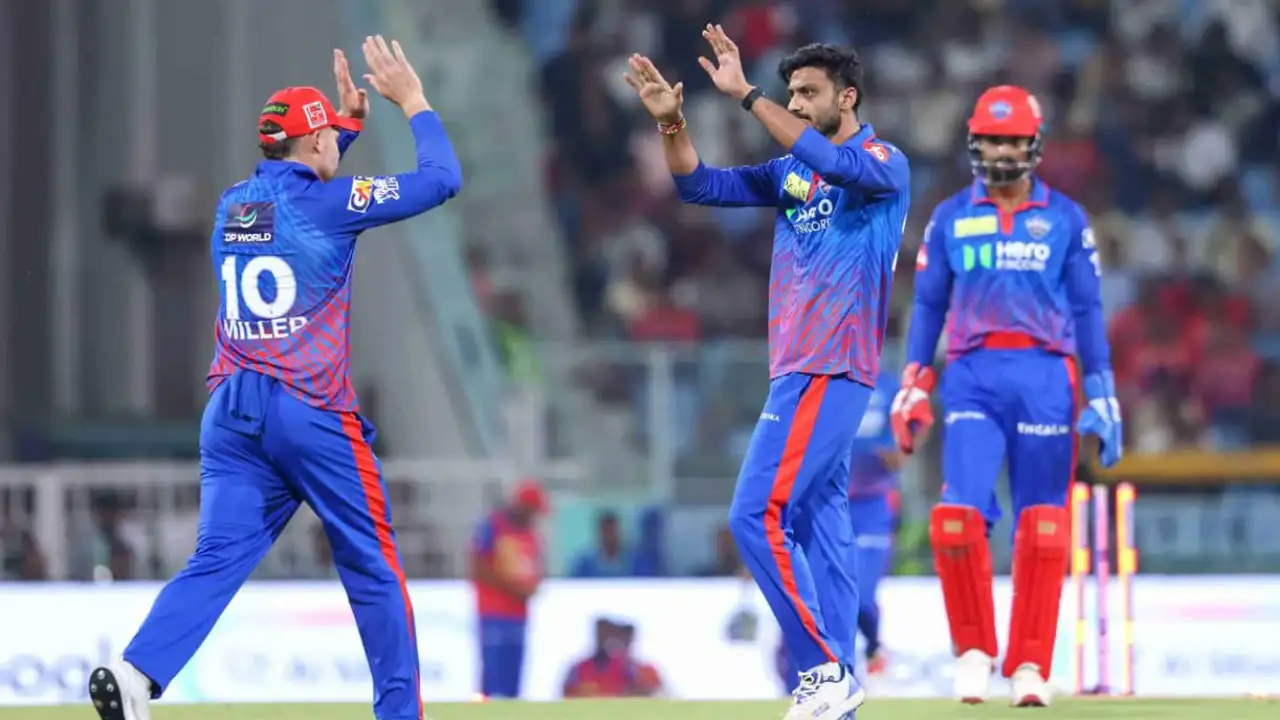
Off-field boardroom politics aside, the immediate concern for DC head coach Hemang Badani remains the team’s current form. Following a crushing 8-wicket loss to the Chennai Super Kings (CSK), the spotlight has turned to the performance of star spinner Kuldeep Yadav. Known for his game-changing abilities, Kuldeep has endured a difficult season, managing only 7 wickets in 10 appearances with an economy rate exceeding 10 runs per over.
Coach Badani has remained supportive of his spinner, emphasizing the need for patience. “We would ideally want Kuldeep to be better than this. But we will rally around him,” Badani told PTI. “He’s been somebody who’s been a part of this side for many years. He can turn this around. I think it’s more the case of just somebody’s striking form. He hasn’t struck peak form yet… it’s a question of time. We have faith in him.”
Looking Ahead
The Delhi Capitals represent one of the original franchises still chasing their maiden IPL title. Whether a change in the ownership management cycle will provide the necessary stability to bridge the gap between their current performance and a championship run remains to be seen. As the franchise looks toward 2027, the decisions made in the coming weeks will likely define the next chapter of their IPL journey. Stability, trust, and a clear tactical roadmap are the need of the hour for a team that desperately needs to rediscover its winning identity.
- Focus Area 1: Transitioning to a 3-year management cycle for better continuity.
- Focus Area 2: Addressing the form slump of key players like Kuldeep Yadav.
- Focus Area 3: Preparing for the upcoming mega auction strategy under a new leadership framework.