Pitch imperfect: Nasser Hussain, Michael Vaughan lead criticism of Lord’s surface

Contents
The Controversy at the Home of Cricket
Lord’s, often considered the spiritual home of cricket, is currently at the center of a heated debate. Over the first two days of the ongoing Test match, the surface has proven to be a nightmare for batsmen, with wickets falling at an extraordinary rate of one every 25 balls. The overwhelming dominance of fast bowlers has prompted sharp criticism, with former England captains Nasser Hussain and Michael Vaughan leading the charge against the quality of the track.
A Bowler-Dominated Contest
The statistics from the first two days paint a grim picture for the batting lineups. New Zealand entered the third day chasing a target of 254, a formidable task given the low scores of 140, 113, and 226 seen in the previous innings. The conditions were so heavily tilted toward seam bowling that neither captain deemed it necessary to deploy a single over of spin. Atmospheric conditions combined with a pitch offering erratic bounce rendered the game an extreme challenge for even the world’s best players.
The Marylebone Cricket Club (MCC) has made significant investments in recent years to enhance the quality of the wickets at Lord’s. This included the use of advanced techniques, such as “steaming” the soil last winter to sterilize it and theoretically increase pace and bounce. However, the evidence on the field suggests that these efforts have yet to yield the desired results, as the pitch has failed to provide a balanced contest between bat and ball.
Hussain and Vaughan Speak Out
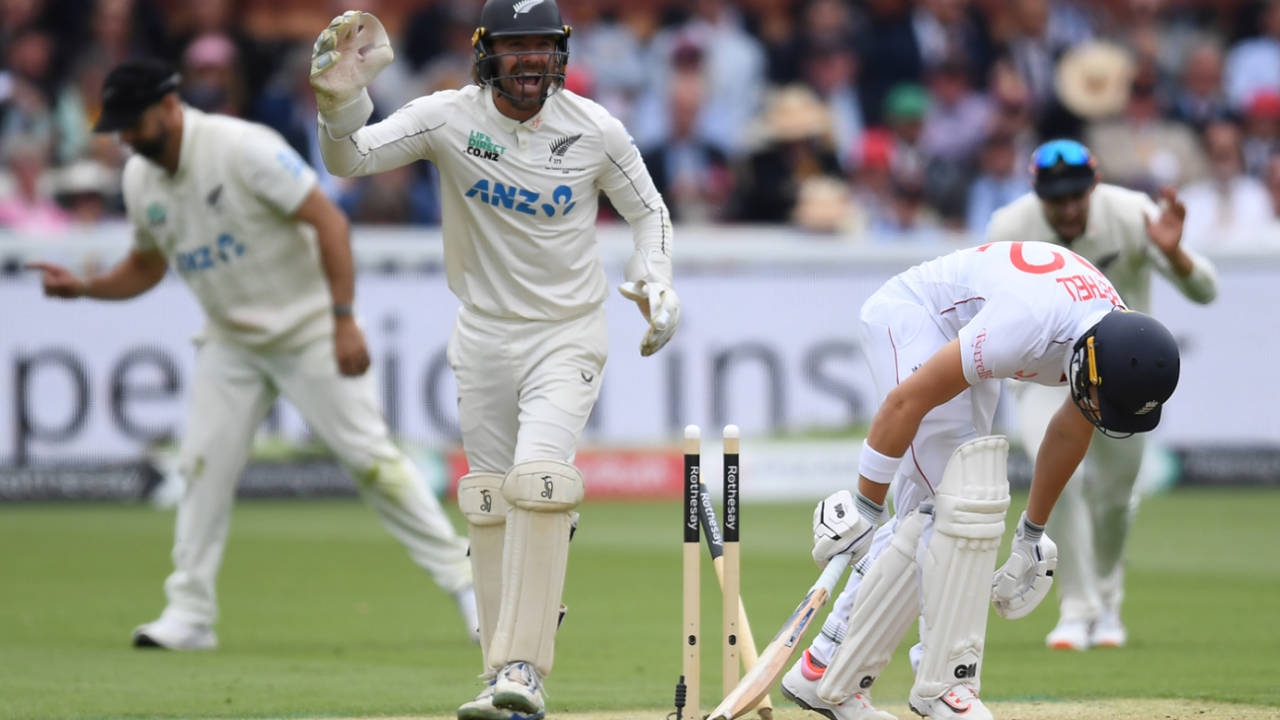
Nasser Hussain did not mince his words when assessing the situation, labeling the pitch “substandard.” He highlighted the dangers of the surface by pointing to the dismissal of Jacob Bethell, who was clean bowled by a delivery from Matt Henry that shot beneath the toe of his bat. Hussain emphasized that for a professional batter, there is nothing more treacherous than “up-and-down” bounce coupled with seam movement and the notorious slope of the Lord’s ground.
“It means batting becomes impossible with the quality of fast bowling that is on show,” Hussain noted during broadcast coverage. While he praised the attention to detail in the periphery of the venue, he argued that the “bit in the middle” is the most critical element, and currently, it is simply not good enough.
Michael Vaughan echoed these sentiments, expressing deep sympathy for the batters tasked with navigating the unpredictable surface. “Test match cricket is meant to be a test,” Vaughan remarked. “It’s not a test for the bowlers this week, because it’s too easy. You want a fair balance. This isn’t a fair balance between bat and ball.” He pointed to the struggles of elite players like Joe Root and Kane Williamson—who managed only 27 runs combined over four innings—as clear evidence that the surface was fundamentally flawed.
The Bowlers’ Perspective
While the criticism is mounting, the bowlers have naturally found success on the surface. New Zealand’s Nathan Smith, who claimed six wickets in the second innings, acknowledged the role the pitch played but also credited overhead conditions. Smith noted that heavy cloud cover during the first two days significantly assisted the seamers. He suggested that the wicket’s personality changes when the sun is out, noting that it becomes much tougher work for bowlers as the ball softens, expressing hope for improved conditions in the remainder of the match.
The Future of Lord’s Pitches
The situation has put the MCC under the spotlight. As the stewards of the most famous cricket ground in the world, the authorities face mounting pressure to address the issues of variable bounce and surface degradation. While extreme conditions can occur in any Test match, the frequency of dangerous deliveries during this specific encounter has left observers questioning whether the recent preparations have inadvertently contributed to an unplayable environment.
Ultimately, cricket relies on a competitive equilibrium. When a surface prevents world-class athletes from showcasing their skills, the game loses its narrative depth. As the match continues, the cricket world will be watching closely to see if the pitch stabilizes or if this encounter will go down in history as another example of an imperfect surface at the game’s headquarters.