England Cricket’s Bold Move: Marcus North Poised as First Australian Selector

Contents
A Historic Shift in English Cricket Leadership
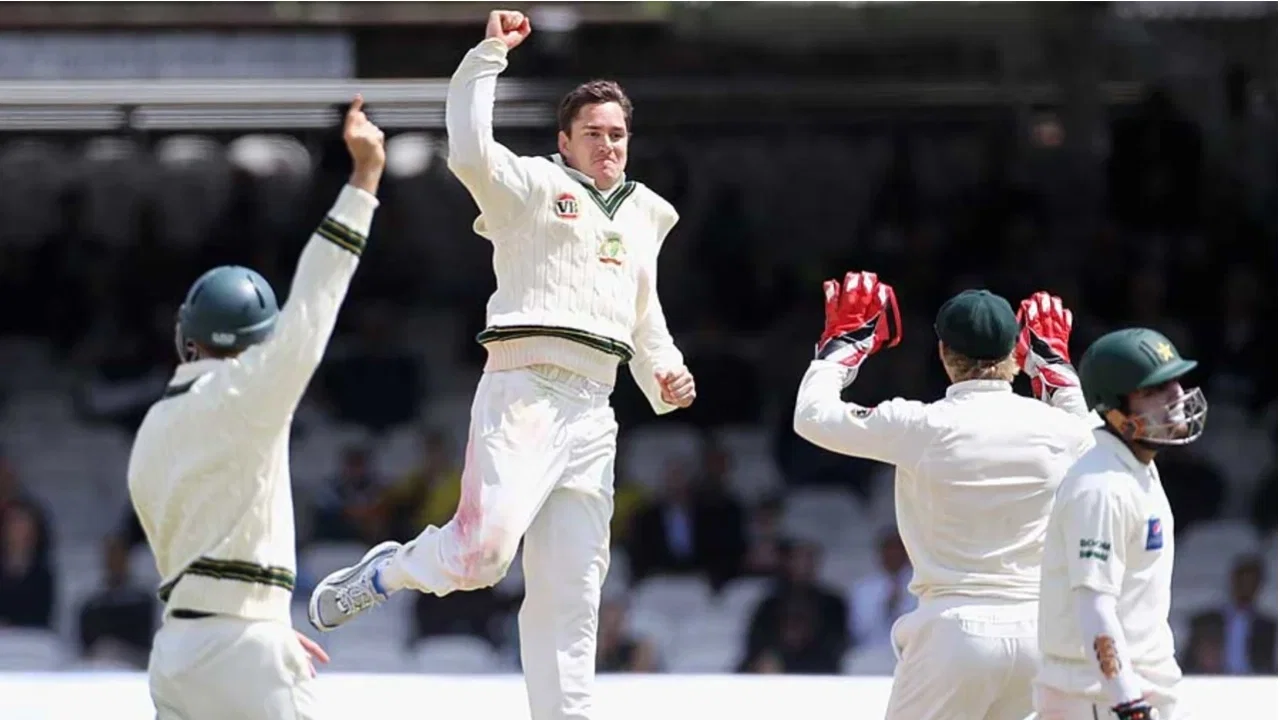
The landscape of English cricket appears to be on the brink of a significant transformation. Reports emerging from the England and Wales Cricket Board (ECB) suggest that a landmark decision is imminent, one that would break with long-standing tradition. The board is reportedly set to appoint former Australian international Marcus North as the new national selector, stepping into the vacancy left by the departing Luke Wright.
If confirmed, this appointment would be unprecedented. Never before has the ECB entrusted the responsibility of selecting the England men’s team to a foreign national. The move underscores a pragmatic approach from the board, prioritizing deep technical expertise and professional experience over traditional domestic allegiances.
Why Marcus North? The Criteria for Success
When the ECB initiated the search for a new selector to replace Luke Wright, they set rigorous standards for candidates. The board specifically sought individuals who possessed significant professional experience and, crucially, an intimate knowledge of the international and first-class cricket landscape. A core requirement was a deep understanding of the county cricket network—the engine room of English talent development.
Marcus North appears to be the perfect fit for these criteria. Despite his Australian heritage, North is no stranger to the English game. His career is marked by substantial experience in the county circuit, where he represented multiple clubs, and his subsequent transition into administrative roles has proven his capability at the executive level.
Bridging the Gap Between County and Country
Since 2018, North has served as the director of cricket at Durham, a position that has kept him deeply embedded in the English system. His tenure there has seen him work closely with key figures, including current England Test captain Ben Stokes. This existing rapport is expected to be a significant asset should he assume the role of national selector.
In his new capacity, North would be expected to work in close coordination with a high-profile leadership group, including head coach Brendon McCullum, director of cricket Rob Key, and the national captains, Ben Stokes and Harry Brook. His primary mandate will be to act as a vital bridge between the raw potential found in county cricket and the elite requirements of the national team.
The England cricket setup has seen a dramatic shift in philosophy under the leadership of Brendon McCullum. The team has become known for prioritizing specific attributes and potential over traditional domestic statistics, a strategy that has drawn both praise and criticism. While this approach has fostered innovation, some observers argue that it has led to the oversight of consistent performers in the county circuit.
The role of the national selector will be pivotal in providing a necessary balance to these methods. As reported by the BBC, North’s appointment could be the key to ensuring that the selection process remains grounded in the reality of domestic performance while still aligning with the strategic vision of the coaching staff. With the Ashes defeat to Australia still a fresh memory, the pressure to identify and groom fresh talent—particularly in areas like the opening batting position, where players like Zak Crawley have faced significant scrutiny—is higher than ever.
Looking Ahead
While an official announcement from the ECB is still pending, the implications of this decision are wide-reaching. The transition period will likely be rapid, with reports suggesting North may have limited involvement in the immediate selection process for the first Test against New Zealand, scheduled to begin at Lord’s on 4 June.
Ultimately, this appointment reflects a modern, globalized approach to cricket management. By bringing in a figure with North’s unique blend of international playing experience and domestic administrative knowledge, the ECB is signaling its commitment to revitalizing the selection process. Whether this move proves to be the catalyst for a new era of English cricketing success remains to be seen, but it is undoubtedly one of the most intriguing developments in recent memory for the sport.